
A clean fryer means better food quality, fewer breakdowns, and a safer kitchen. If you rely on a commercial deep fryer in your restaurant or foodservice operation, knowing how to clean it properly and maintain your oil can make a big difference. In this guide, we’ll walk through how to clean a commercial fryer, filter the oil effectively, and keep your equipment in peak condition.
Why Oil Maintenance Matters
Oil that’s dirty or overused affects more than just flavor—it wears down your equipment and can create safety hazards. Keeping your commercial deep fryer oil filter routine consistent is essential for:
- Better-tasting fried foods
- Longer oil life, reducing overall costs
- Less carbon buildup and fewer repairs
- Improved kitchen safety and compliance

How to Clean a Commercial Fryer: Step-by-Step
A full cleaning should be done weekly, or more often in high-volume kitchens. Here’s how:
1. Turn Off and Cool Down the Fryer
Let the oil cool to around 300-350°F before draining.
2. Drain Oil into a Filtration System
Use a commercial deep fryer oil filter machine or a safe manual method to drain and filter the oil into a clean container.
3. Scrub the Fry Pot
With oil removed, use a fryer-safe brush or cloth and a commercial fryer cleaner to scrub down all interior surfaces.
4. Perform a Boil-Out (Weekly)
Fill the pot with water and fryer cleaning solution, then bring it to a gentle boil. Scrub the pot walls again and rinse thoroughly.
5. Rinse and Dry
Dry all components completely to prevent oil breakdown or splatter when refilling.
6. Refill with Fresh or Filtered Oil
Return the filtered oil - or replace with new oil if needed - and resume service.
Filtering Your Fryer Oil
Daily filtering extends oil life and ensures consistent food quality. Use these tips:
1. Filter at the End of Each Day
This helps remove carbon and food debris before it settles.
2. Choose the Right Filter Equipment
A commercial deep fryer oil filter system - portable or built-in - makes daily filtering easier and safer.
3. Skim Throughout the Day
Use a skimmer to remove floating particles between batches to keep oil clean.
4. Never Filter at Maximum Heat
Allow oil to cool slightly before filtering to protect staff and your filter media.
5. Boost Your Filter Efficiency
Enhance your filtration routine with fryer oil filter powder, which binds to food debris and carbon particles, improving oil clarity and extending oil life.
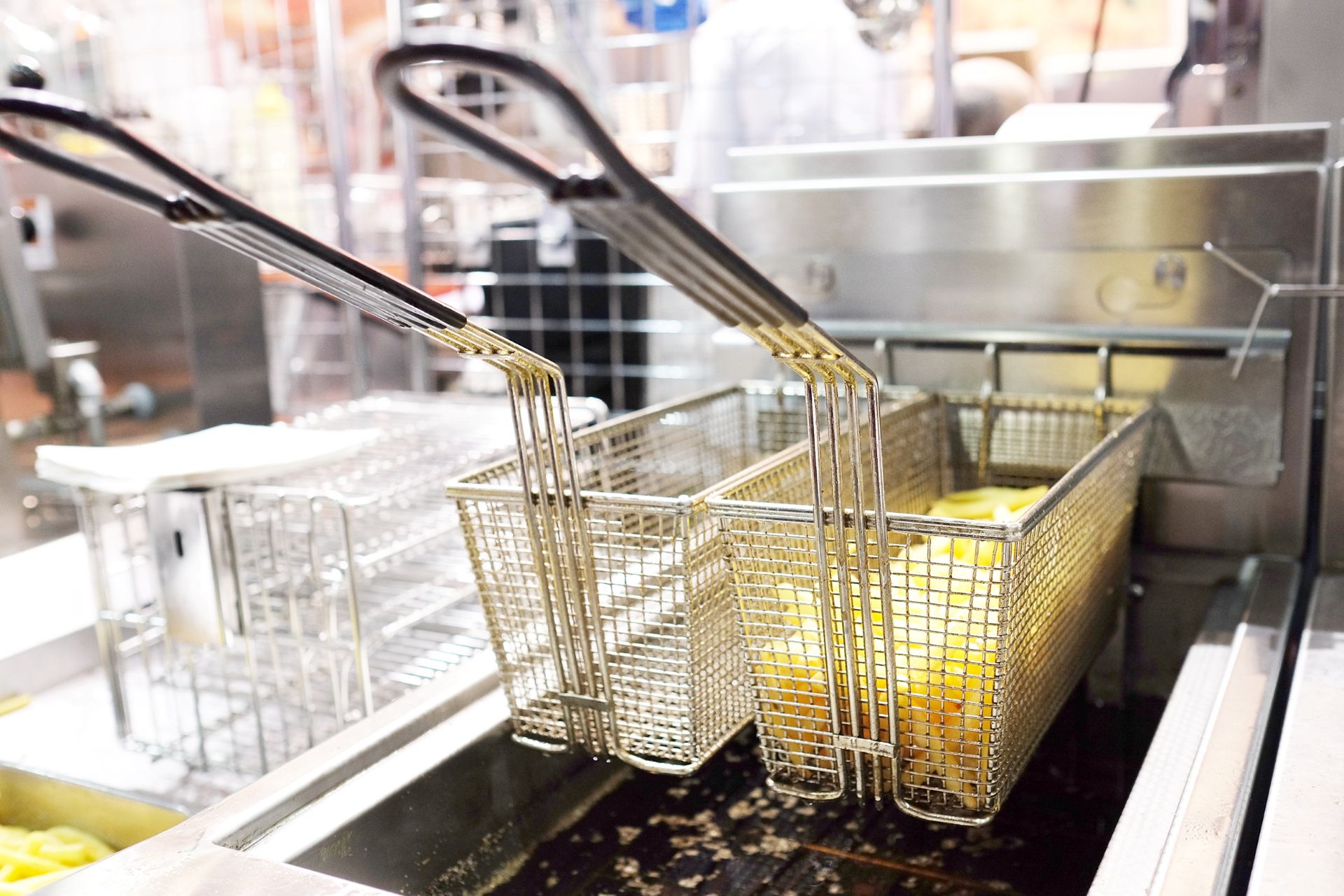
How Often Should Commercial Fryer Oil Be Changed?
It depends on what you’re cooking and how busy your kitchen is, but general signs that oil should be replaced include:
- Food comes out dark, greasy, or off-flavored
- Oil is dark brown or black
- Heavy foaming or smoking at normal temps
- Unusual smell coming from the fryer
In high-volume kitchens, oil may need to be changed every 3–5 days. In lighter-use operations, it might last a week or more with regular filtering.
Keep Your Fryer Running with Professional Maintenance
Knowing how to clean a commercial fryer is crucial, but routine professional service is also important to:
- Prevent burner or thermostat failures
- Identify worn-out parts early
- Ensure all safety mechanisms work properly
At Star Foodservice Equipment Repair, we specialize in commercial fryer maintenance, oil filter system installation, and emergency repairs. Whether you need help with daily upkeep or a mid-service equipment issue, our techs are ready to keep your kitchen running smoothly.
Prefer a White Paper Version?
Download a PDF version of this article to save or share with your team.