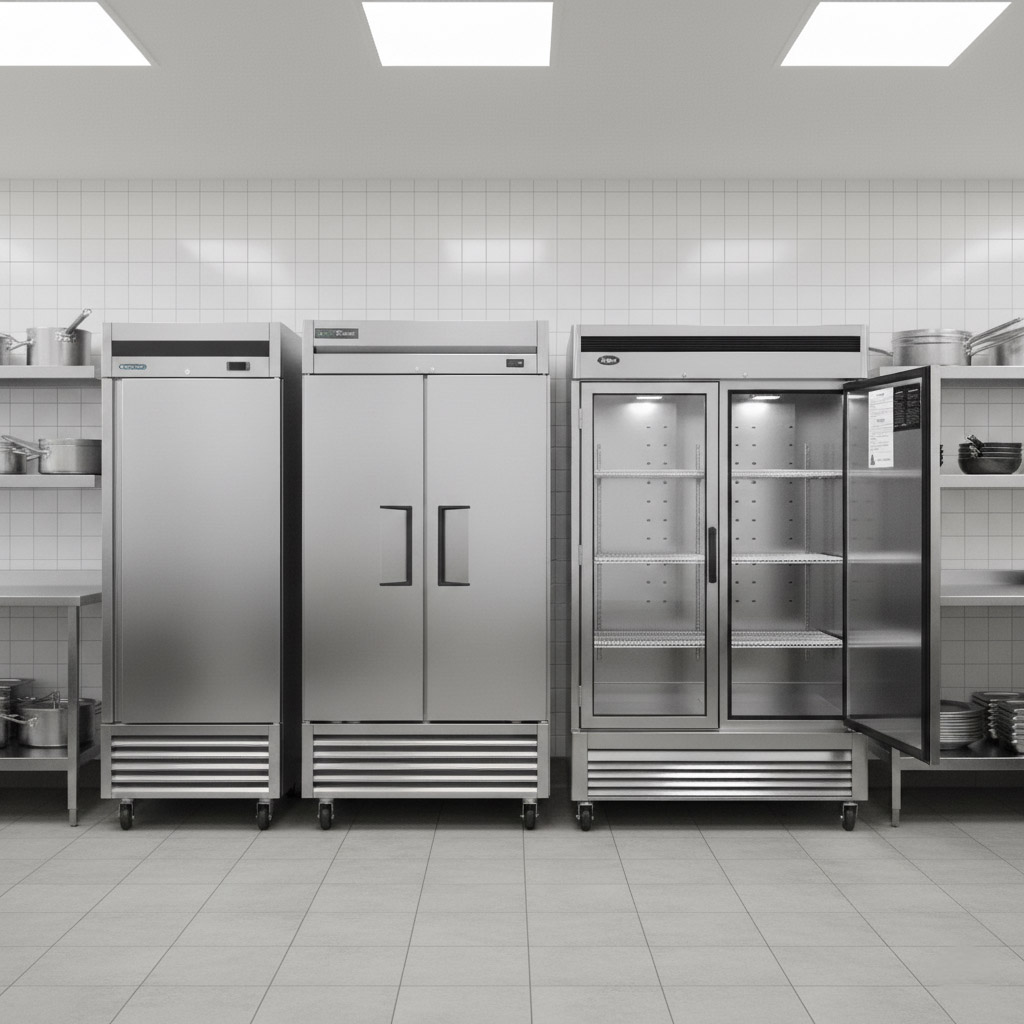
Commercial refrigeration is the backbone of every foodservice operation. From walk-ins and reach-ins to beverage coolers and ice machines, your cold-side equipment works nonstop to keep food safe and service running smoothly. But with constant demand, even small issues can turn into costly breakdowns if they aren’t addressed early.
This guide walks you through common refrigeration problems, what causes them, and how to prevent them with smart maintenance practices.
1. Why Cold-Side Maintenance Matters
Refrigeration downtime doesn’t just mean equipment repairs—it can also lead to spoiled food, frustrated customers, and lost revenue. A unit that’s dirty or neglected will also work harder than necessary, driving up your utility bills.
Regular inspections, cleaning, and preventive service extend the life of your equipment and ensure reliable performance when you need it most.
2. Common Refrigeration Failures & Causes
Dirty Condenser & Evaporator Coils
Condenser coils release heat, while evaporator coils absorb it. When coated in dust, grease, or debris, the system struggles to maintain temperature, leading to overheating, ice buildup, or compressor failure.
Prevention: Clean coils monthly with a brush or vacuum, and schedule professional deep cleaning if heavily soiled.
Worn Door Gaskets & Seals
Ice machines face heavy demand and can easily become breeding grounds for scale, mold, or bacteria. A neglected ice machine doesn’t just produce poor-quality ice - it also poses health risks and may even fail inspection.
Prevention: Clean and sanitize ice machines regularly. Replace filters as recommended, and schedule professional deep cleans if buildup is severe.
Worn Door Gaskets & Seals
Door gaskets keep cold air in and warm air out. When seals become cracked, loose, or warped, the unit loses efficiency. You may notice frost buildup, warm spots inside, or compressors cycling more frequently.
Prevention: Inspect gaskets regularly and replace them at the first sign of wear. This small, inexpensive fix reduces energy costs and prevents strain on compressors.
Faulty Fans & Restricted Airflow
Fans circulate cold air evenly throughout refrigeration units. If a fan blade is blocked, dirty, or worn out, certain shelves may run warm while others freeze. Poor placement - such as pushing a reach-in flush against a wall - can also restrict airflow and cause overheating.
Prevention: Keep clearance around units, vacuum fan areas, and replace faulty blades or motors promptly.
3. Troubleshooting Checklist
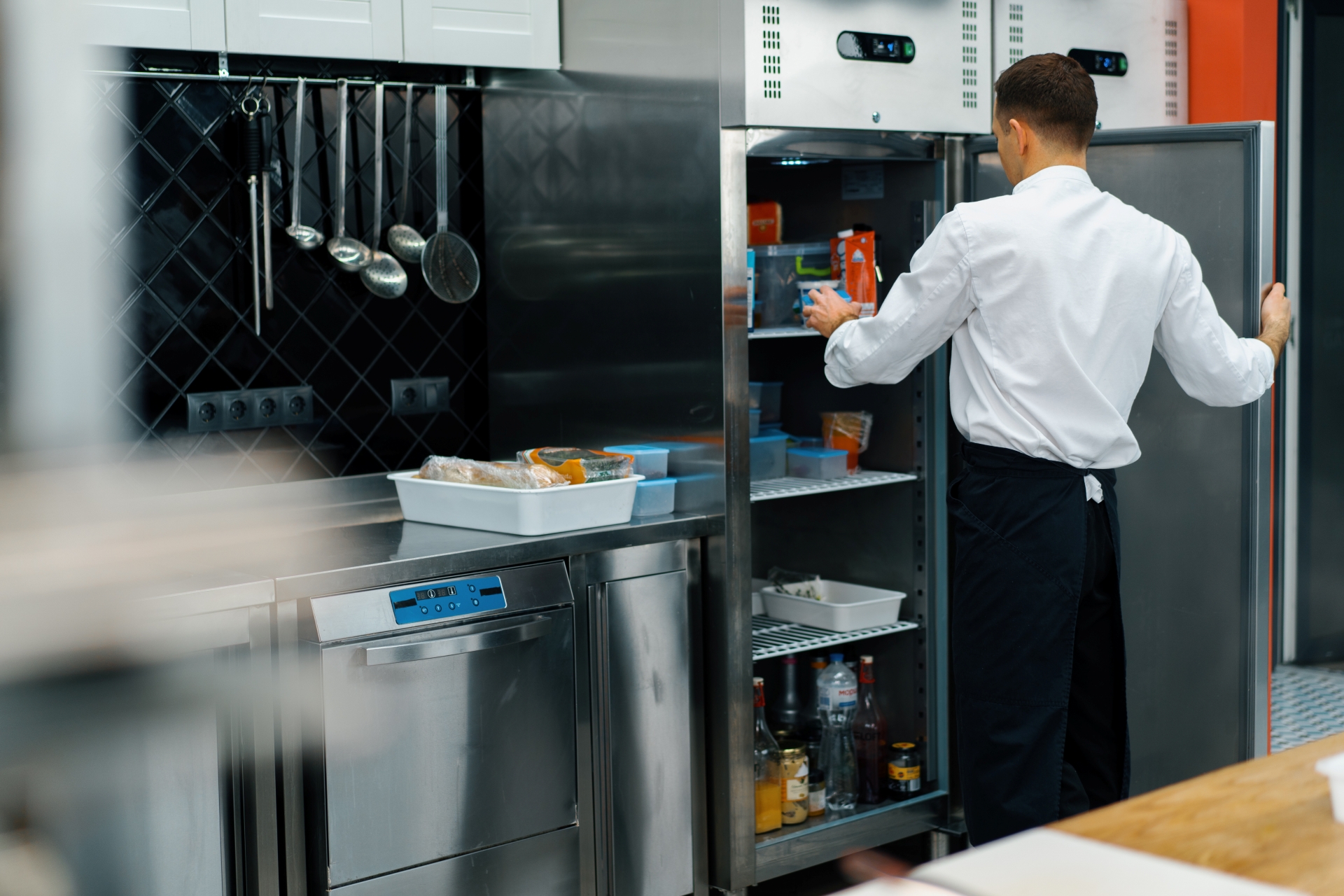
When equipment underperforms, there are some quick checks you can perform before calling for service that often identify minor issues early and save on service calls:
- Verify Power Supply: Make sure the unit is plugged in and breakers are reset.
- Inspect Door Seals: Look for cracks, gaps, or loose fittings.
- Check for Airflow Obstructions: Ensure vents and fans aren’t blocked.
- Monitor Temperatures: Use an independent thermometer to confirm accuracy.
- Look for Leaks or Ice Buildup: Water around the base or heavy frost often signals larger problems.
4. Warning Signs You Shouldn’t Ignore
Sometimes, refrigeration issues go beyond DIY checks. Call a technician if you notice:
- Ice forming on evaporator coils or inside the cabinet
- Water pooling under or around the unit
- Inconsistent food temperatures or frequent spoilage
- Compressors cycling on and off more than usual
- Rising utility bills without increased usage
These symptoms point to deeper problems like refrigerant leaks, electrical faults, or compressor wear. Addressing them quickly prevents more costly repairs later.
5. Seasonal Strain on Refrigeration
Refrigeration units face extra stress during the summer months when kitchens are hotter and humidity levels are higher. Condensers must work harder to release heat, compressors run longer, and ice machines often operate nonstop to keep up with increased demand. These conditions make neglected equipment more likely to fail, and even minor issues can quickly escalate into costly breakdowns.
Performing seasonal checks on condenser and evaporator coils, fans, door gaskets, and airflow clearance before peak summer months helps reduce the risk of downtime. Regular inspections and preventive maintenance during high-demand periods ensure consistent cooling performance, protect food safety, and extend the lifespan of your commercial refrigeration equipment.
6. The Payoff of Preventive Care
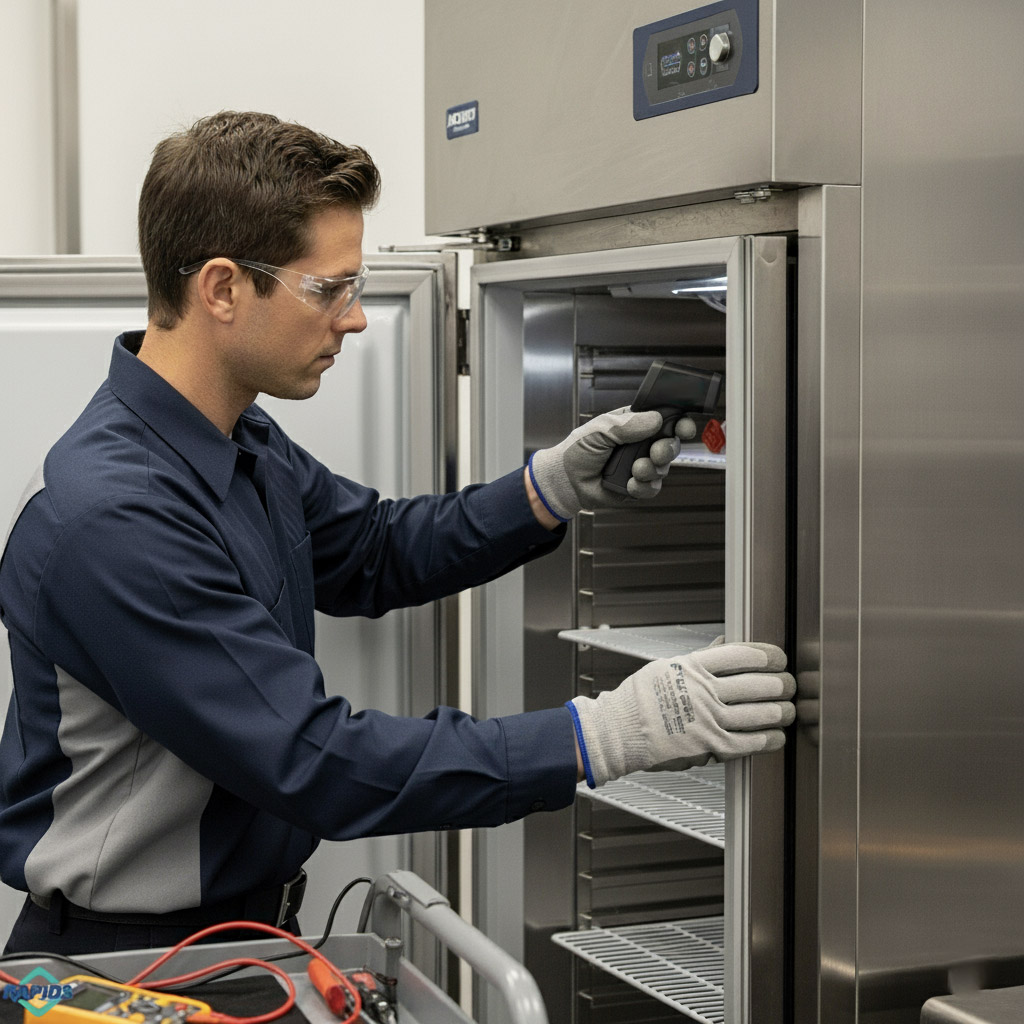
Consistent refrigeration maintenance provides many long-term benefits, helping you avoid costly downtime, save money, and keep your kitchen running smoothly. As we explained in The Benefits of Professional Scheduled Maintenance for Your Commercial Kitchen, working preventive care into your routine pays off in several ways:
- Longer Equipment Life: Units that are cleaned and serviced regularly last years longer.
- Lower Repair Costs: Catching small issues prevents major breakdowns.
- Energy Savings: Clean coils, strong seals, and clear airflow keep systems efficient.
- Food Safety: Accurate, stable temperatures protect your ingredients and reputation.
Don’t wait until breakdowns disrupt your kitchen. Our team can design a preventive maintenance plan tailored to your equipment, saving you money on repairs, extending equipment life, and keeping your operation running without costly interruptions.
Prefer a White Paper Version?
Download a PDF version of this article to save or share with your team.