A smooth-running kitchen depends on more than great staff and quality ingredients - it requires equipment that’s clean, safe, and reliable. Preventative maintenance and deep cleaning not only extend the life of your equipment but also reduce costly downtime when something breaks unexpectedly. A consistent maintenance routine helps keep your operation efficient, safe, and ready to serve.
Below are key back-of-the-house maintenance tasks every restaurant should build into their routine.
Walk-In Coolers and Freezers
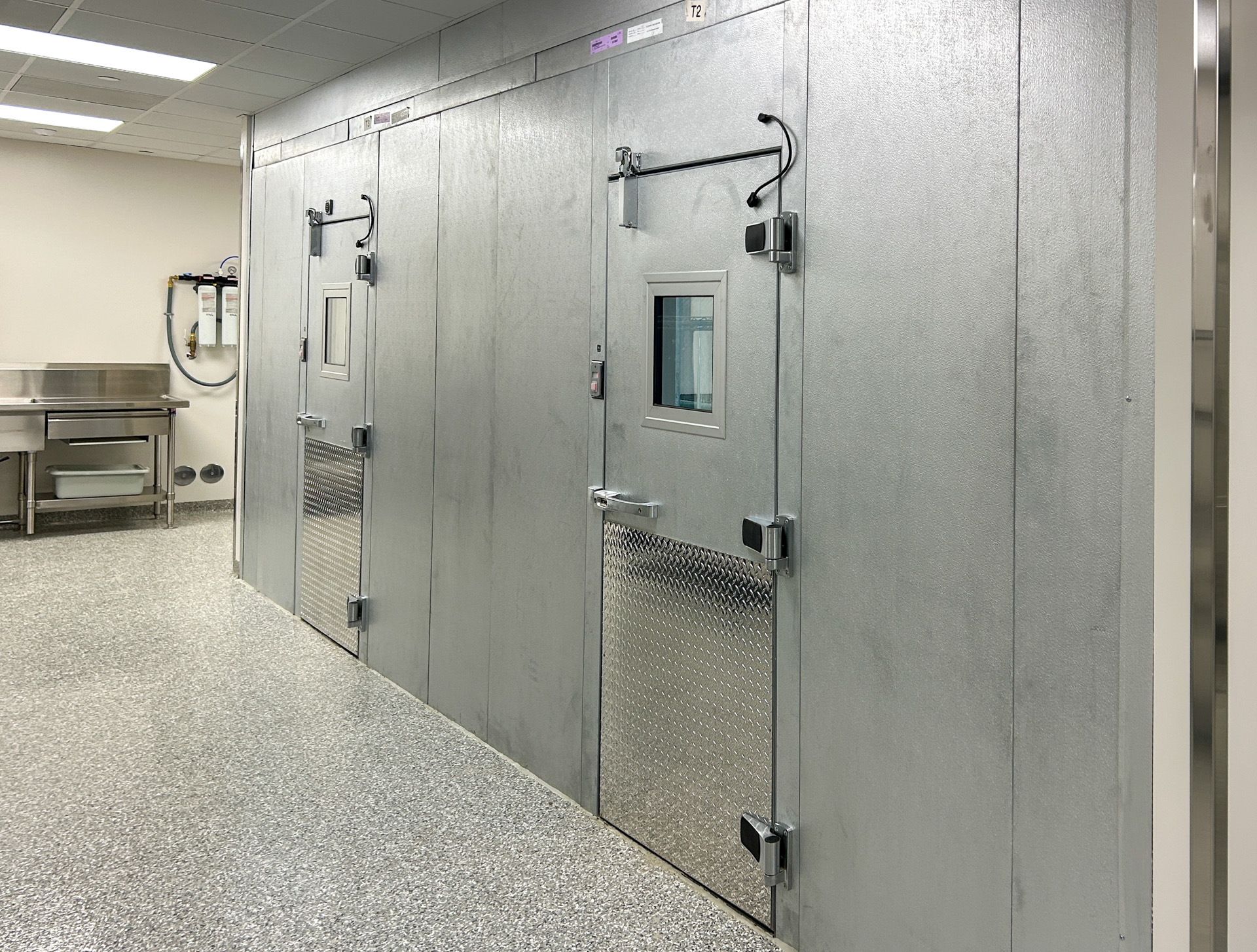
Your walk-ins are the backbone of food storage, and if they fail, your inventory and food safety are at risk. These units run constantly and can collect dirt, grease, and buildup that strain performance. A thorough cleaning and inspection keep them running efficiently while ensuring your products stay safe and organized.
Maintenance checklist:
- Roll out pan racks, remove pans, and sanitize the racks. Lubricate casters if needed.
- Remove product from shelves and clean all shelving, replacing anything that’s bent, rusted, or damaged.
- Inspect plastic containers for cracks or chips and replace to avoid leaks or spills.
- Clean walls, floors, ceiling, fans, and light fixtures.
- Check door gaskets for wear, and inspect hinges, handles, and inside release latches. Lubricate or tighten as needed.
- Reorganize product placement for efficiency and accessibility.
Cookline and Hood System
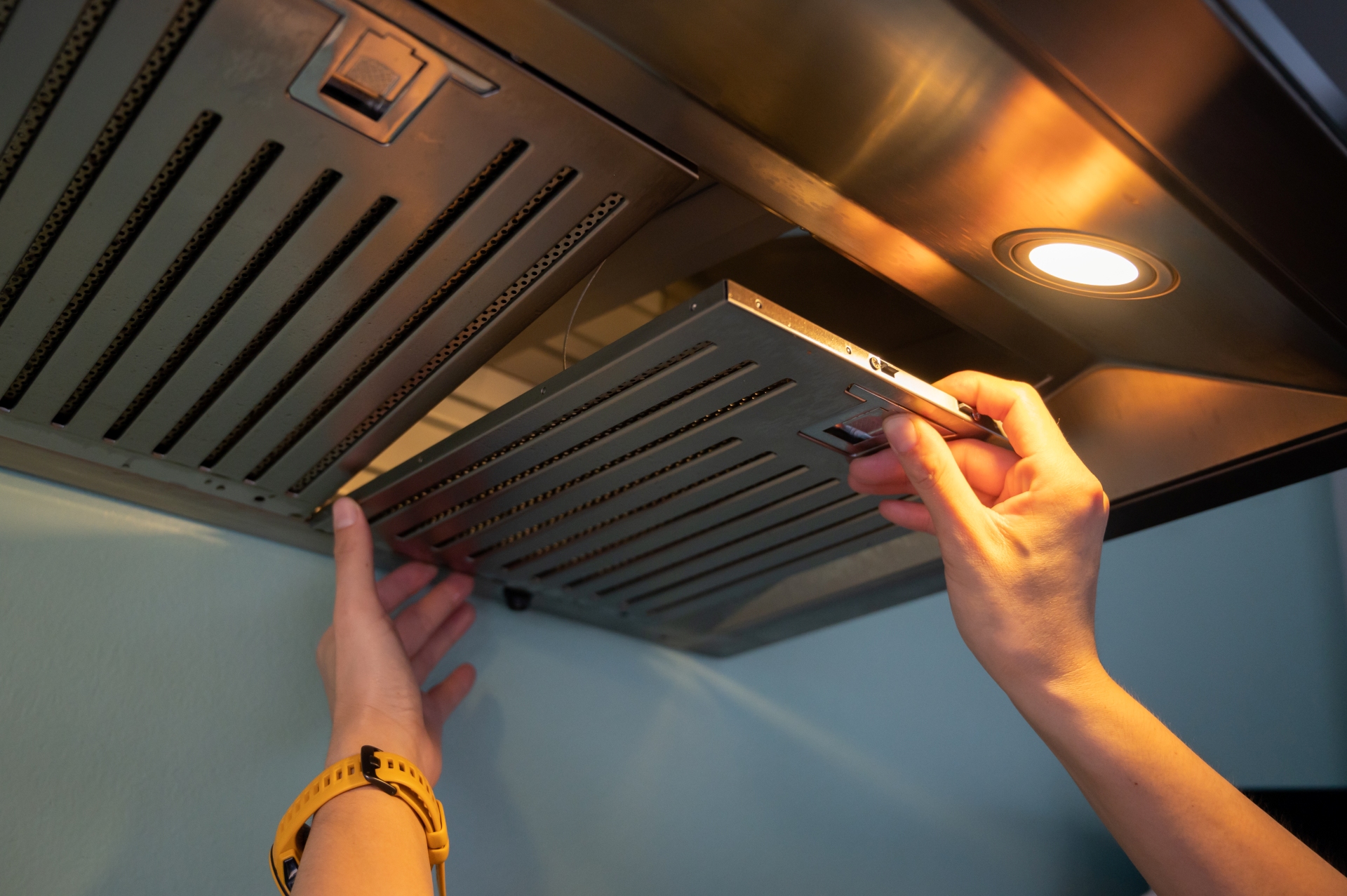
The cookline sees some of the heaviest use in your kitchen, and grease buildup can quickly become both a performance issue and a fire hazard. Regular deep cleaning of the hood and equipment ensures proper ventilation, helps prevent accidents, and makes daily upkeep easier.
Maintenance checklist:
- Turn off and cool equipment, then remove and soak hood filters for a deep clean.
- Clean grease from tracks, troughs, and surfaces inside the hood.
- Wipe down Ansul system nozzles and check that inspection tags are current.
- Clean exterior fans and walls — a pressure washer can help here.
- Pull equipment away from walls when possible to clean behind and underneath.
- Use degreasers or carbon-removal products for ovens, fryers, and ranges.
- Finish with a polish to help keep stainless steel surfaces protected and easier to clean in the future.
Dish Room and Sanitation Station
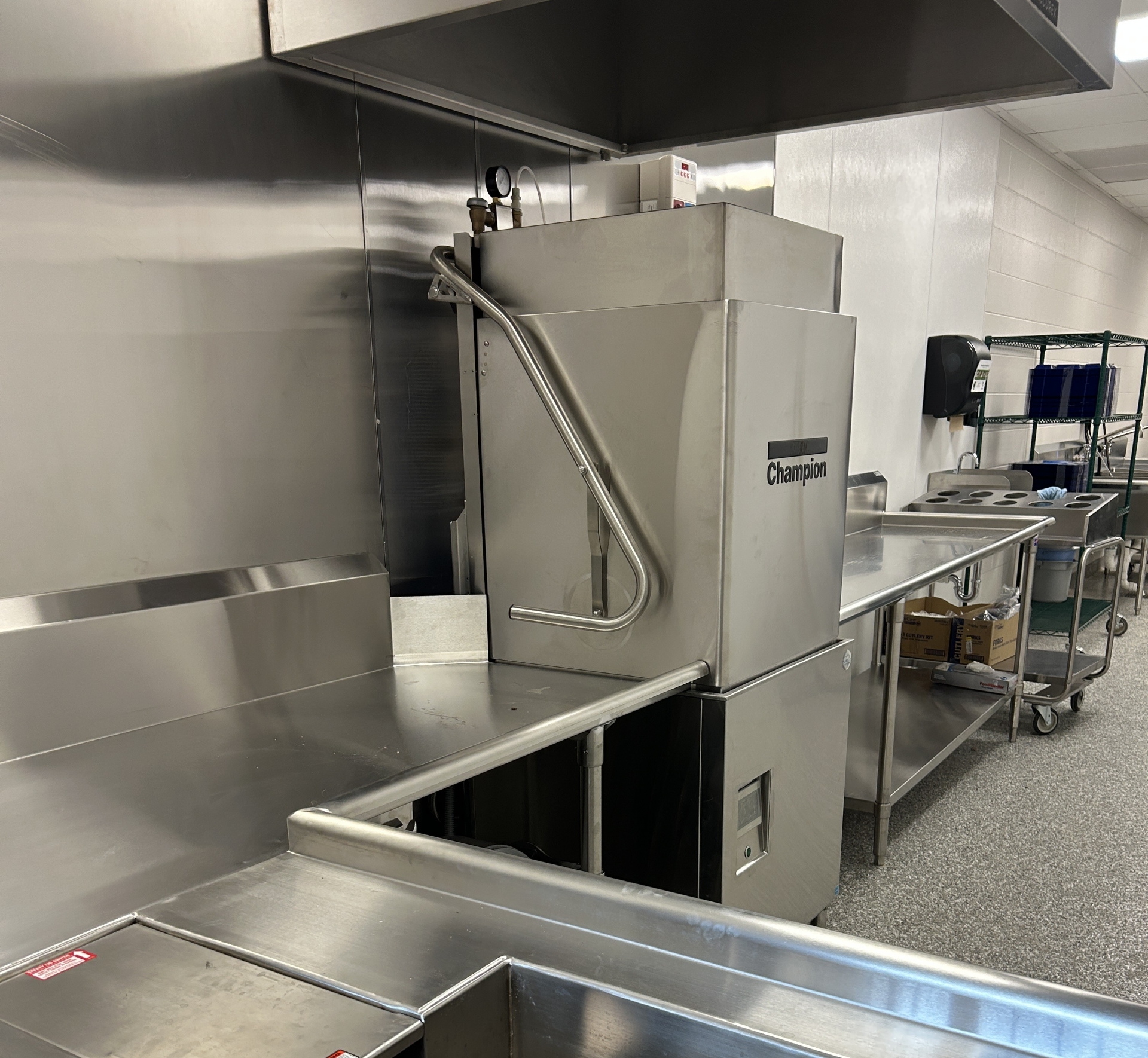
Your dish area is the foundation of kitchen sanitation. If it’s not properly maintained, the cleanliness of everything else is compromised. Giving this space extra attention ensures your dish machine, sinks, and storage systems work effectively and continue to meet high sanitation standards.
Maintenance checklist:
- Deep clean the dish machine, including sprayers, filters, and screens.
- Clean under drainboards, sinks, and disposal areas.
- Inspect dish racks and replace damaged ones.
- Clean walls, floors, and floor drains.
- Inspect and clean storage containers, pots, pans, dinnerware, and flatware. Replace cracked or bent items.
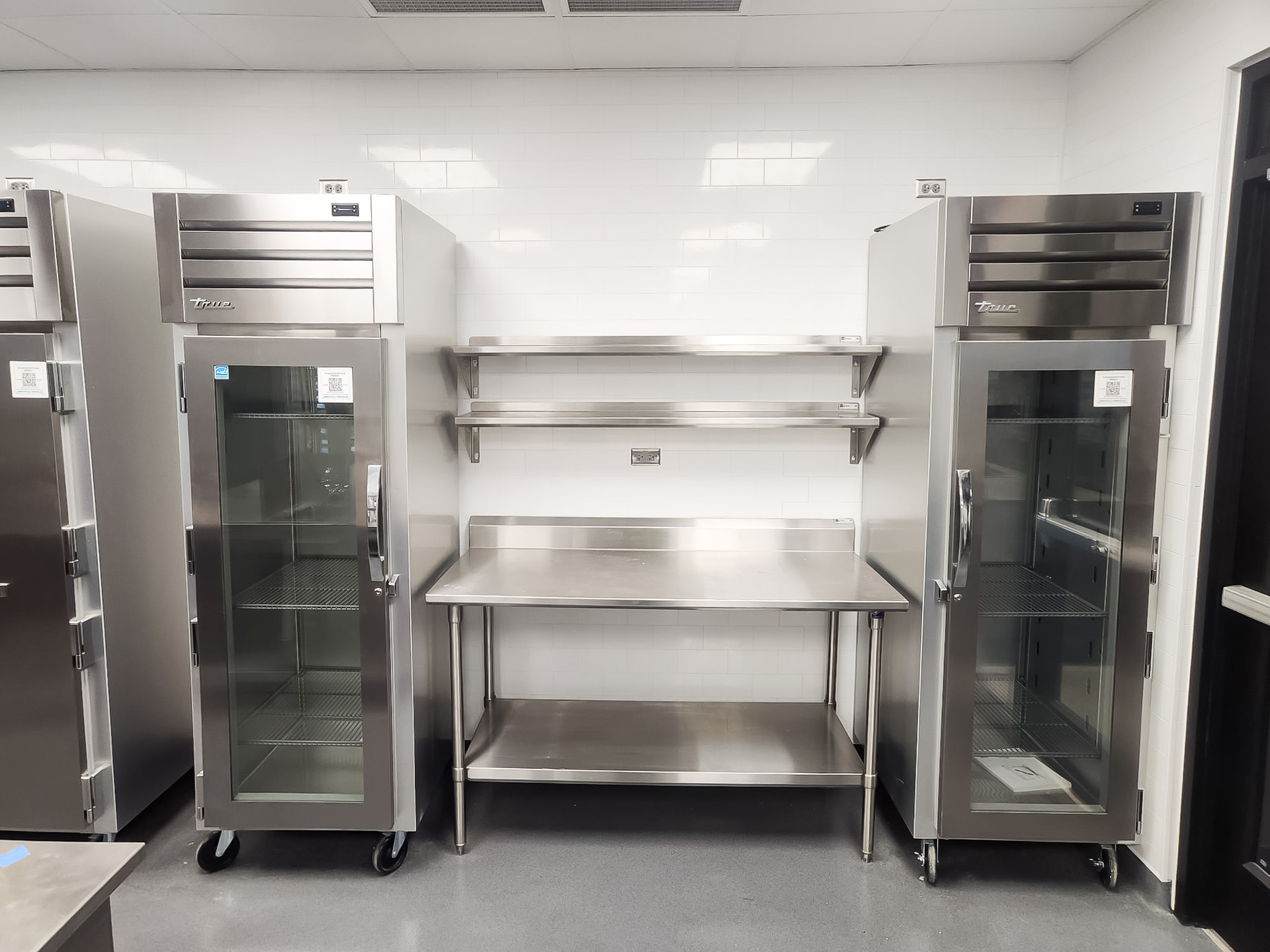
Reach-Ins, Undercounter Coolers, Prep Tables, and Chef’s Bases
These smaller refrigeration units are just as important as your walk-ins, but they often get overlooked in daily routines. Keeping them clean and well-maintained improves efficiency, reduces strain on compressors, and helps avoid costly repairs.
Maintenance checklist:
- Empty contents, clean every surface, and check containers.
- Inspect shelving, gaskets, and hinges — clean, lubricate, or replace as needed.
- Clean condenser coils and underneath the units.
- Reorganize and label items for efficiency.
Pantry and Dry Storage
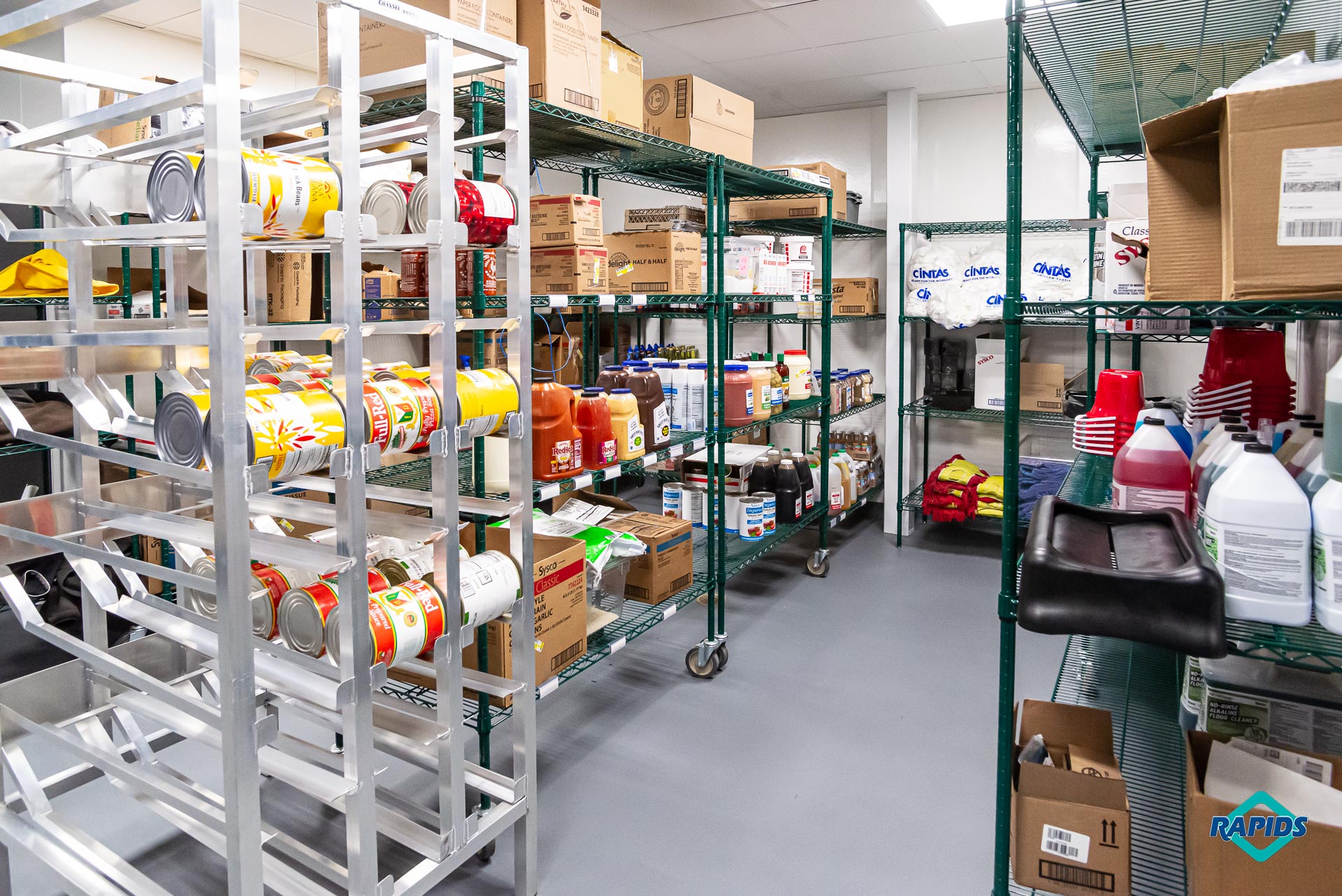
Dry storage areas are easy to neglect, but clutter and disorganization here can slow down your kitchen. A deep clean and reorganization ensure ingredients are accessible, protected, and rotated properly to prevent waste.
Maintenance checklist:
- Remove non-essential items and reorganize the space.
- Clean shelving, walls, and floors thoroughly.
- Inspect and replace broken storage containers or shelving.
- Add permanent labels to commonly used ingredients to streamline workflow.
Top-to-Bottom Cleaning
Some areas are simply “out of sight, out of mind,” but grease and dust can still collect on top of shelves, hoods, and equipment, as well as in hard-to-reach spaces underneath. Taking the time to address these overlooked spots helps keep your kitchen truly clean and reduces hidden hazards.
Building these maintenance practices into your routine ensures your back-of-the-house runs smoothly and safely. By staying proactive with cleaning and equipment care, you’ll extend the life of your investment, reduce the risk of breakdowns, and create a safer environment for both staff and guests.
Prefer a White Paper Version?
Download a PDF version of this article to save or share with your team.