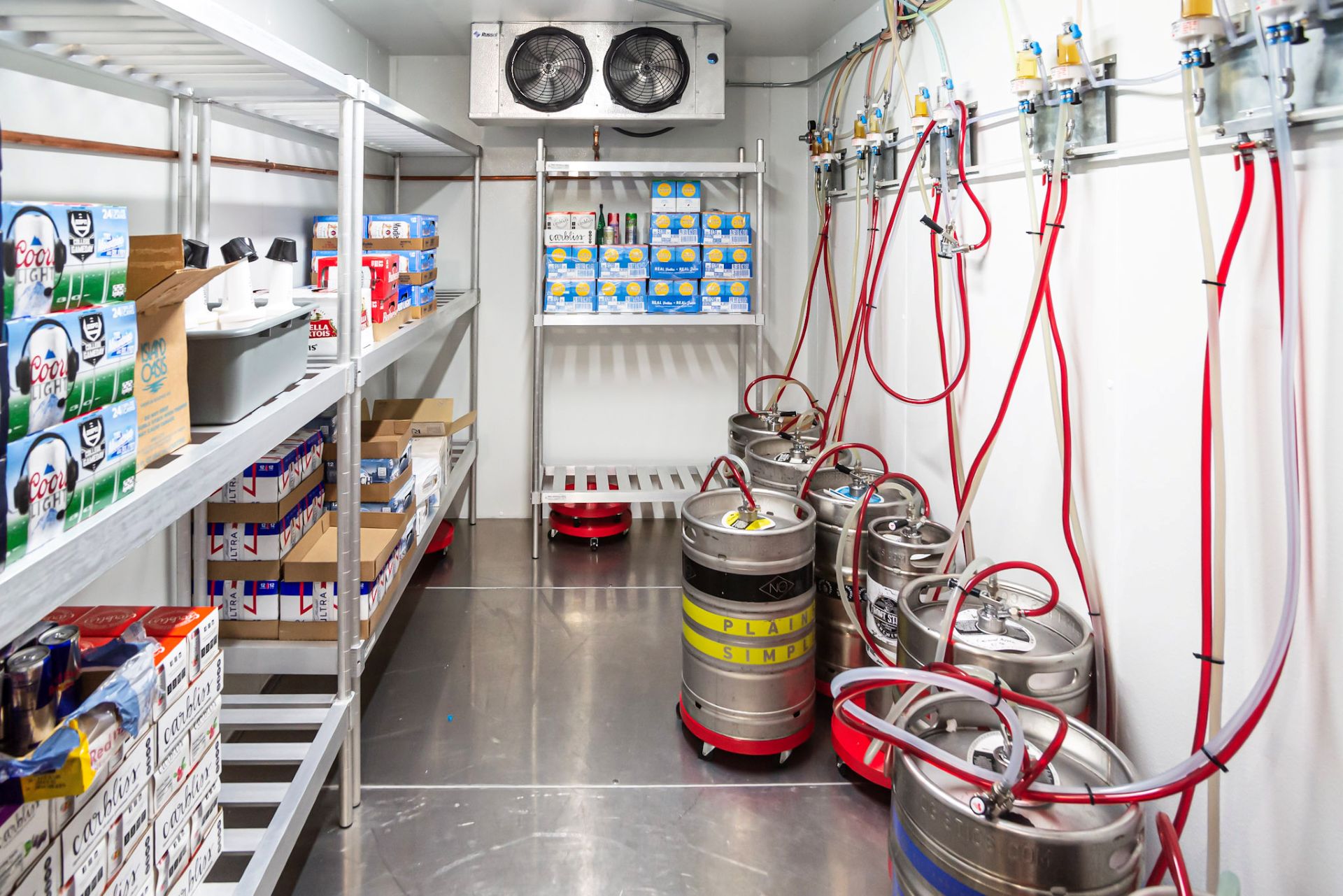
If you operate a commercial kitchen, bar, or cafe with draft beer, soda, or other carbonated beverage systems, a CO₂ leak can be both frustrating and costly. Leaks can reduce beverage quality, affect carbonation, create unnecessary gas consumption, and in some cases, pose safety hazards. Identifying and fixing CO₂ leaks quickly is essential to keep your operations running smoothly.
This guide walks you through the most common leak detection techniques, tools, and best practices used by foodservice professionals. Whether you’re troubleshooting a slow leak or a sudden drop in system pressure, following these steps can help you pinpoint the problem and prevent future issues.
Spot-It Gas Leak Detector Fluid
One of the simplest ways to locate a CO₂ leak is with a gas leak detector fluid. This fast-acting solution produces a visible bubble at the site of the leak. Some fluids are fluorescent under black light for even easier detection. They’re safe, non-toxic, and can handle a wide temperature range, making them perfect for commercial kitchens and bars.
Tip: Apply the fluid to all fittings, hoses, and connections. If bubbles appear, you’ve found the source of your leak.
Manual CO₂ Leak Inspections
Step 1: Check the Clamps
Start at the tank and follow the CO₂ line to the keg tap. Make sure all clamps are snug but not over-tightened. Using multiple clamps on one connection can actually cause leaks instead of preventing them.
Step 2: Inspect the Regulator
Next, focus on the regulator. Turn the toggle to shut off gas to the hose (gas is on when the toggle arm is inline with the CO₂ hose). Open the tank valve until the gauge needles rise, then close the tank valve. If the needles hold steady, there’s likely no leak in the regulator. If they slowly drop, the leak may be in the regulator itself, often due to a worn diaphragm, a defective gauge, or a toggle connection.
Pro tip: Use plumber’s tape or sealing compound on threaded connections to prevent leaks.
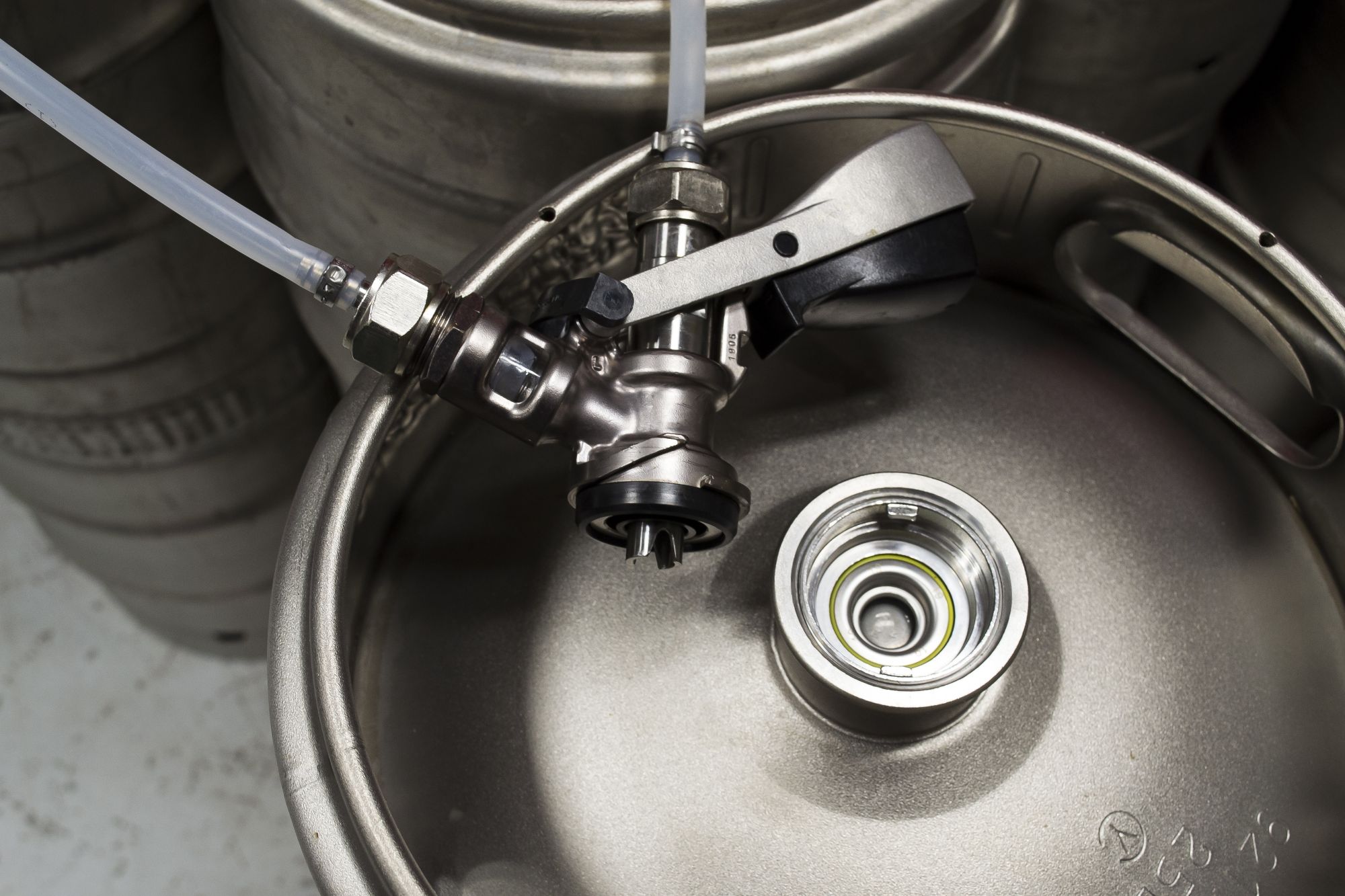
Step 3: Examine the Keg Coupler
If you haven’t located the leak yet, the keg coupler is next. Un-tap the keg and ensure the toggle is pointing to the CO₂ line. Inspect the gas seals on the probe and inside the coupler body; replace any worn seals and use a food-safe lubricant to reduce friction and extend the life of O-rings.
Also, check where the coupler seals to the keg. Missing or damaged keg seals can cause leaks, as can a damaged keg itself. If the keg is the issue, contact your beer distributor for resolution.
Pro tip: Regularly clean and lubricate couplers to prevent wear and maintain a proper seal.
Step 4: Use Spot-It Gas Leak Detector Fluid
For tricky or invisible leaks, a leak detection fluid can make the problem obvious.
- Apply the fluid along all fittings, hoses, regulators, and couplers.
- Watch for bubbles forming, which indicate the source of the leak.
- Some fluids fluoresce under black light, which can be useful in dimly lit bar areas.
Step 5: Safety and Prevention
CO₂ is heavier than air and can displace oxygen in enclosed spaces, posing a safety hazard. Always ensure proper ventilation when inspecting your system.
Other preventive steps:
- Conduct regular inspections of hoses, clamps, regulators, and couplers.
- Monitor tank pressure daily; sudden drops often indicate leaks.
- Store CO₂ tanks upright and in a cool, ventilated area to avoid excessive pressure buildup.
- Train staff on safe handling procedures and signs of leaks.
Common Mistakes to Avoid
Over-tightening clamps
Can damage hoses and create leaks.
Ignoring slow leaks
Even minor leaks can increase costs and reduce beverage quality over time.
Skipping regular maintenance
Worn seals, O-rings, or diaphragms can fail unexpectedly if not inspected regularly.
Not using leak detection fluid
Many leaks are too small to see or hear without proper detection tools.
Prefer a White Paper Version?
Download a PDF version of this article to save or share with your team.