In kitchens and beverage operations, even small mistakes in equipment settings can affect food quality, consistency, and safety. Fryers, ovens, thermostats, and beverage systems all need proper calibration to keep food and drinks safe, tasty, and consistent.
Why Calibration Is Important
Calibration means making sure equipment works at the correct temperature and settings. When equipment is off, it can cause problems like:
- Undercooked or overcooked food – Even a few degrees too high or too low can change how food cooks. Undercooked food may be unsafe to eat, while overcooked food can taste dry or burnt.
- Food safety risks – If food doesn’t reach the correct temperature, bacteria may survive. This is especially important for meats, seafood, and cooked vegetables.
- Inconsistent drinks – Coffee machines, soda dispensers, and other beverage systems can produce drinks that are too weak, too strong, or improperly carbonated if not calibrated.
- Extra energy use and wear – Equipment that runs too hot, too cold, or for longer than needed wastes energy. Over time, it can also wear out parts faster, leading to costly repairs.
Proper calibration helps maintain consistency, taste, and safety, which is essential for customer satisfaction and regulatory compliance.
Equipment That Needs Regular Calibration
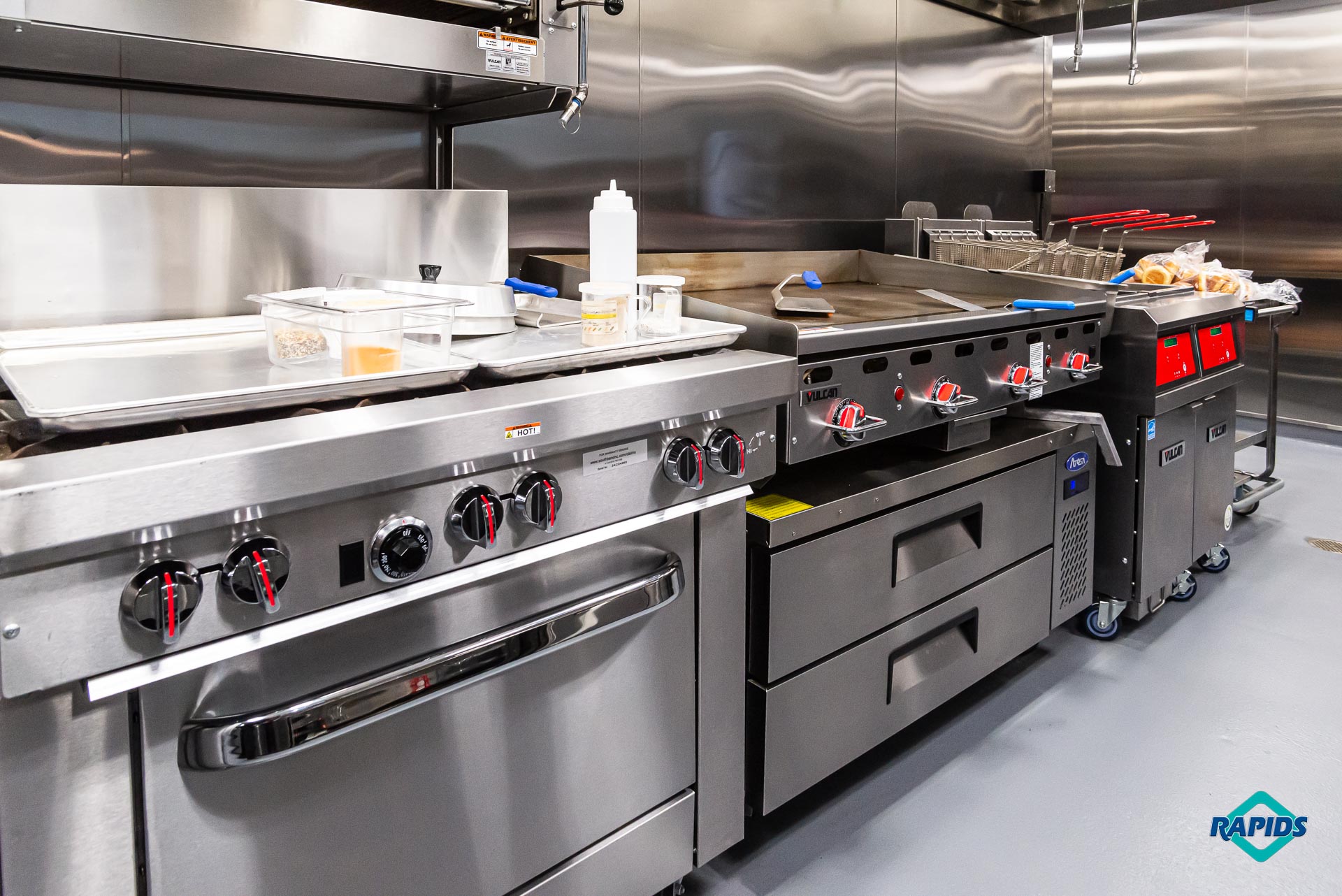
Thermostats
Thermostats control ovens, proofers, and holding cabinets. When the thermostat is off by even a few degrees, food may not cook or hold at the right temperature. Check the temperature with a thermometer to make sure it matches the display.
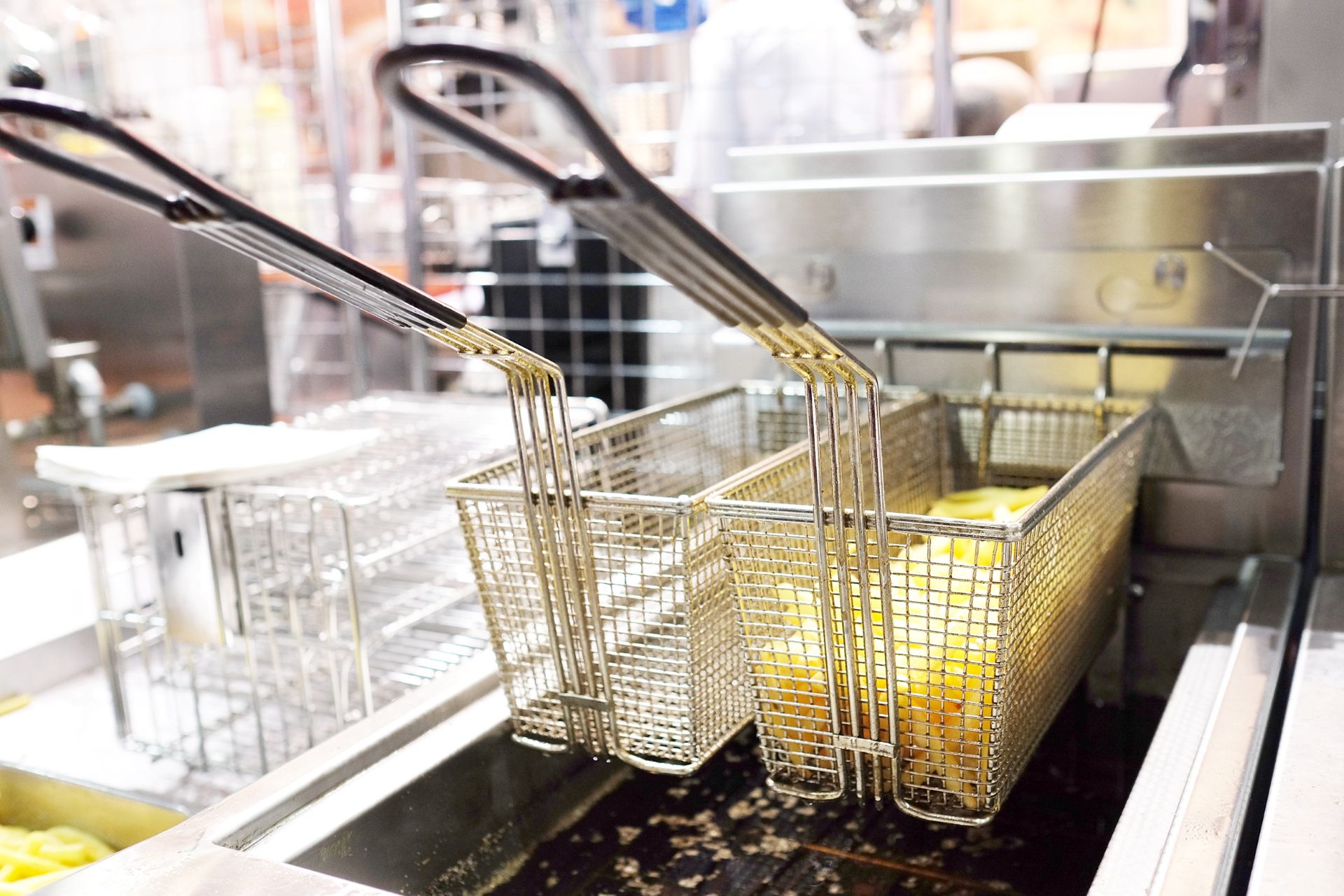
Fryers
Fryers rely on correct oil temperature to cook food properly. If the oil is too cold, food becomes greasy or undercooked. If too hot, food can burn and shorten the life of the oil. Regular checks with a thermometer help maintain the right balance.
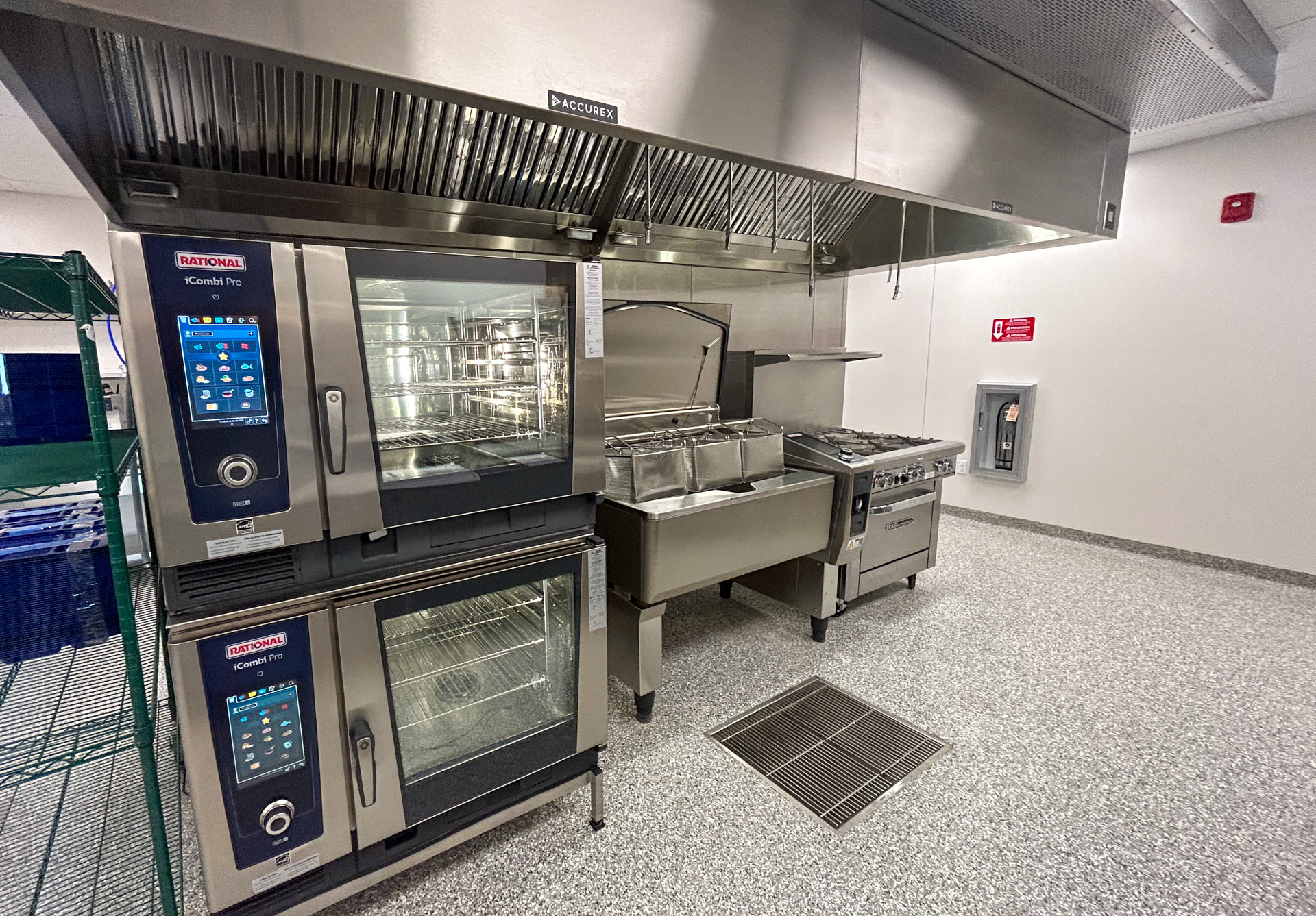
Ovens
Ovens need even heat for baking, roasting, and cooking. An oven that is too hot can dry out food, while one that is too cool can leave dishes undercooked. Using a test thermometer helps ensure food comes out perfectly every time.

Beverage Systems
Coffee machines, soda dispensers, and other beverage equipment need accurate flow, temperature, and carbonation. Proper calibration ensures drinks taste the same every time and meet customer expectations.
Common Calibration Mistakes
Not checking equipment regularly
Small issues often start unnoticed. Without routine checks, minor problems can grow into bigger, more costly ones.
Relying on digital displays alone
Equipment displays can be inaccurate or drift over time. Always verify readings with a reliable thermometer or digital meter for accuracy.
Ignoring manufacturer instructions
Each machine has its own calibration steps and recommended schedule. Skipping these guidelines can reduce performance and increase risk of errors.
Skipping record keeping
Without logs, it’s hard to track performance trends or spot recurring issues. Documentation helps maintain consistent quality and simplifies troubleshooting.
Tips for Proper Calibration
- Follow the manual – Each machine has specific instructions for calibration and recommended intervals.
- Use the right tools – Thermometers and digital meters provide accurate readings.
- Keep records – Write down calibration dates and results to monitor performance over time.
- Check regularly – Daily spot checks and routine professional service prevent bigger problems.
- Train staff – Make sure everyone using the equipment knows how to check temperatures and report issues.
Proper equipment calibration keeps food and drinks safe, tasty, and consistent. It also saves energy, reduces waste, and extends equipment life. Fryers, ovens, thermostats, and beverage systems all perform best when regularly checked and adjusted. By prioritizing calibration, kitchens can maintain high-quality operations, protect customers, and improve efficiency.