
Commercial kitchens are full of electrical equipment - from ovens and fryers to walk-in coolers and prep machines. While these appliances are essential for daily operations, they also pose a serious risk if not handled properly. Electrical hazards can lead to injuries, costly repairs, and even shutdowns. By taking the right precautions, you can keep your kitchen running safely and efficiently.
1. Regular Inspection of Equipment
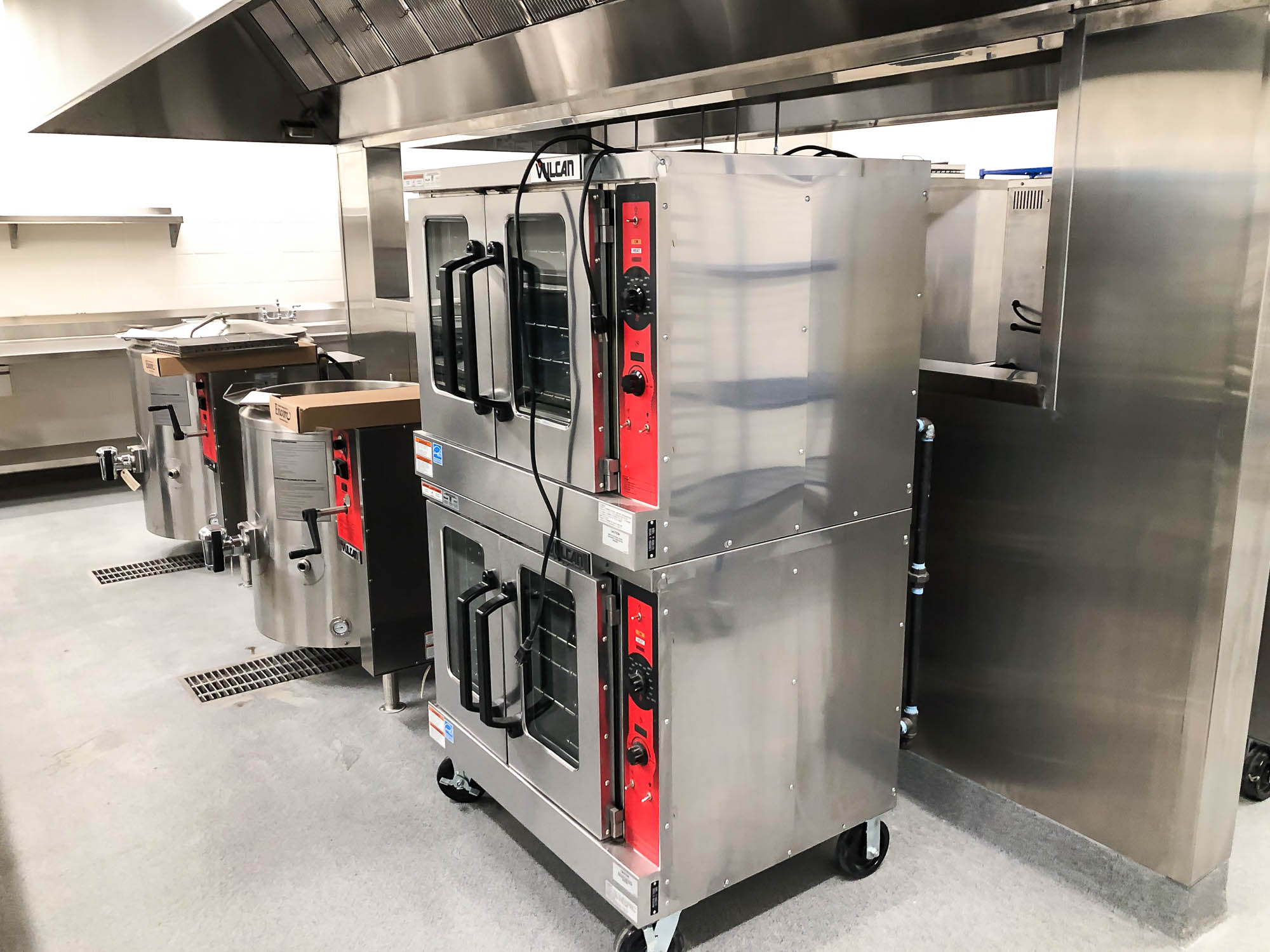
Electrical hazards often start small, with frayed cords, damaged plugs, or loose connections. Make it a habit to:
- Check all cords and plugs for visible damage.
- Ensure appliances are properly grounded.
- Look for signs of overheating, sparks, or unusual smells.
Early detection can prevent fires and keep your equipment in good working order.
2. Proper Use of Electrical Outlets
Overloading circuits is a common cause of kitchen electrical accidents. To avoid it:
- Do not plug multiple high-wattage appliances into a single outlet.
- Make sure outlets and breakers are rated for the equipment you’re using.
- Avoid using extension cords for permanent appliance connections.
3. Keep Appliances Dry
Water and electricity are a dangerous combination. In a busy kitchen:
- Wipe up spills immediately, especially near electrical equipment.
- Ensure hands and surfaces are dry when plugging in or unplugging appliances.
- Position cords and outlets away from sinks, dishwashers, and other wet areas.
4. Educate Staff on Safe Practices
All kitchen employees should be trained on electrical safety. This includes:
- Turning off and unplugging equipment before cleaning or maintenance.
- Reporting damaged cords, tripping breakers, or malfunctioning equipment immediately.
- Understanding how to use fire extinguishers rated for electrical fires.
5. Schedule Professional Maintenance
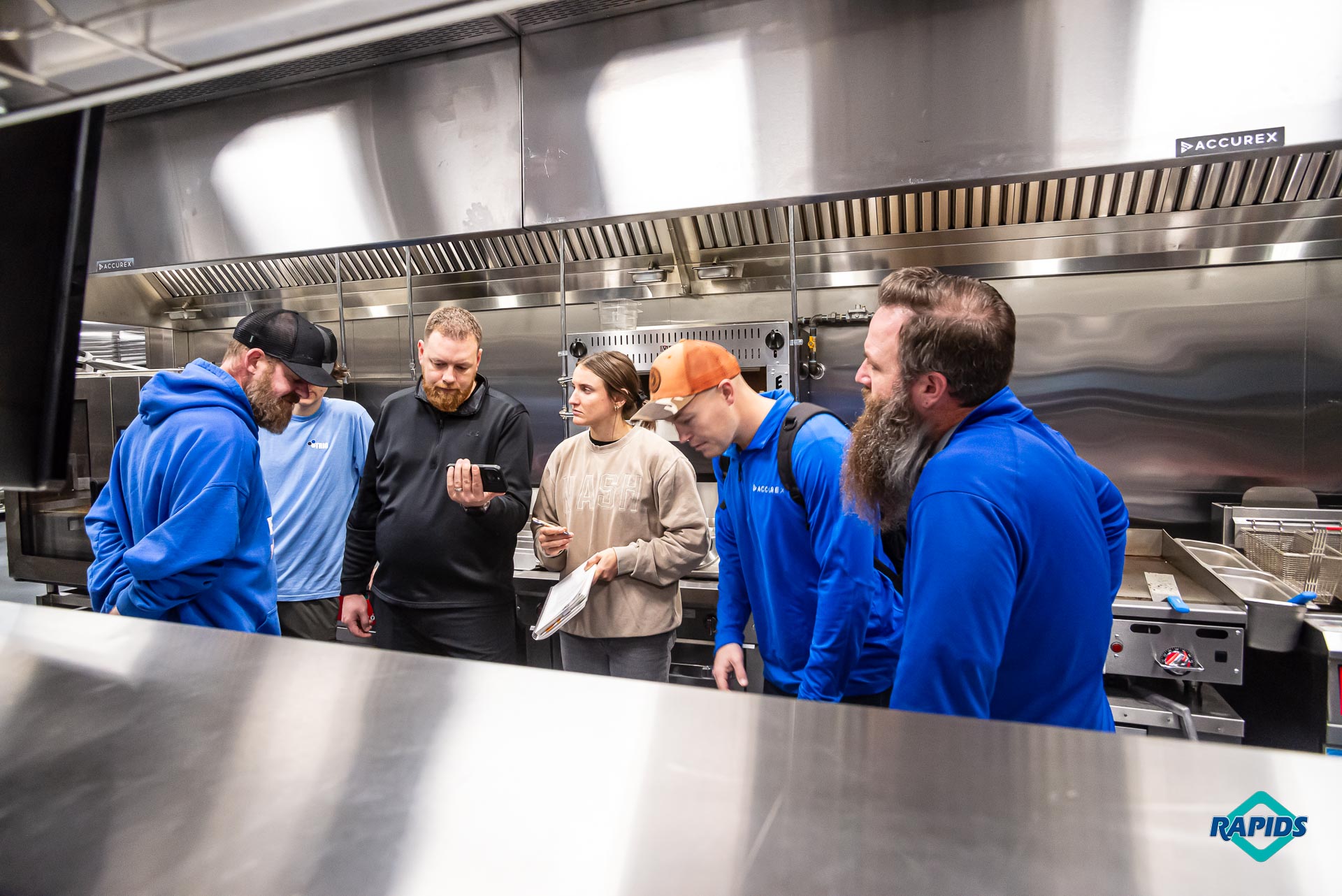
Even with careful use, electrical equipment can develop hidden issues. Partnering with a professional service ensures:
- Thorough inspection of wiring, fuses, and internal components.
- Safe repair or replacement of worn parts.
- Compliance with local safety regulations and standards.
Regular maintenance reduces the risk of unexpected failures and prolongs the life of your appliances.
6. Use Safety Devices
Investing in safety equipment adds extra layers of protection:
- Ground-fault circuit interrupters (GFCIs) for areas near water.
- Circuit breakers designed for high-capacity kitchen equipment.
- Surge protectors for sensitive electronics and display units.
Electrical safety in commercial kitchens isn’t just about avoiding downtime - it’s about protecting your staff and your business. Regular inspections, staff training, proper use of equipment, and professional maintenance all play a crucial role in reducing hazards.
For more guidance or to schedule maintenance on your kitchen equipment, trust STAR’s expert team to keep your kitchen safe and fully operational.
Prefer a White Paper Version?
Download a PDF version of this article to save or share with your team.