
Commercial ovens are essential in any busy kitchen, handling everything from baking and roasting to broiling. Even the most reliable ovens can run into problems that disrupt operations and cause expensive repairs. The good news is that many issues can be prevented. By knowing the common causes of oven malfunctions and performing regular checks, kitchen operators can avoid downtime, keep cooking consistent, and extend the life of their equipment.
1. Electrical Issues
Electrical problems are a common cause of commercial oven malfunctions. Faulty wiring, blown fuses, or tripped breakers can stop the oven from turning on or make it work inconsistently. These problems can also be safety hazards. In busy kitchens, overloaded circuits or power surges increase the risk of failure. Ignoring small electrical issues can lead to unexpected breakdowns that interrupt service and cost more to fix.
Prevention Tips:
- Check power cords, plugs, and connections regularly for fraying, corrosion, or loose contacts.
- Avoid overloading circuits and give the oven a dedicated power source.
- Schedule inspections by a licensed electrician to catch issues early.
2. Temperature Control Problems
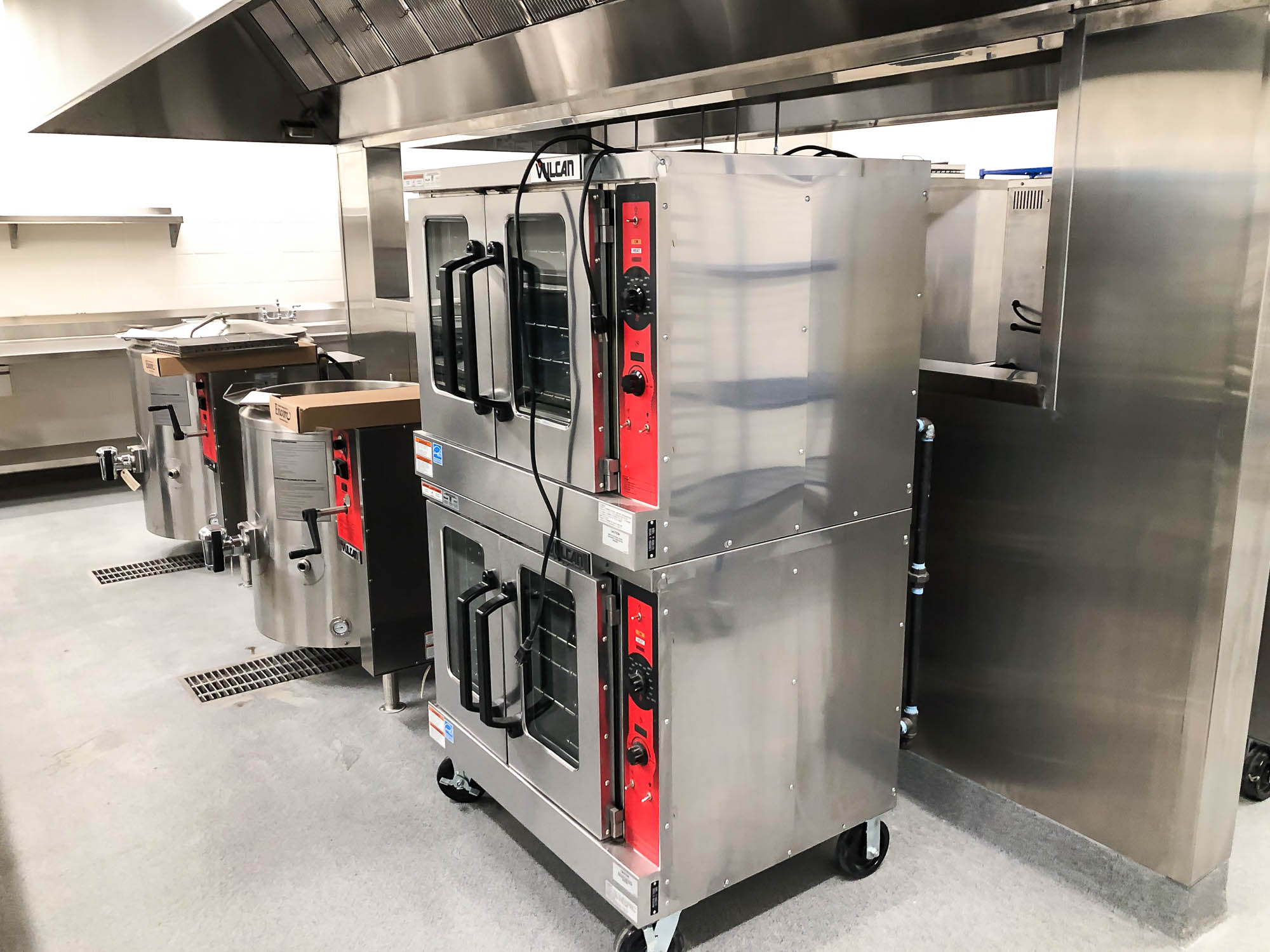
Keeping the oven at the right temperature is critical for food quality and safety. Problems with temperature control often come from faulty thermostats, worn heating elements, or damaged sensors. An oven that heats unevenly or fails to reach the correct temperature can ruin recipes, increase cooking times, and put extra stress on oven parts. Over time, this can lead to bigger problems and higher energy use.
Prevention Tips:
- Test thermostats regularly to make sure readings are correct.
- Inspect heating elements for wear or damage and replace them when needed.
- Clean temperature sensors to prevent uneven heating.
- Keep maintenance logs to track recurring problems and act early.
3. Mechanical Wear and Tear
Commercial ovens have moving parts like door hinges, conveyor belts, fan motors, and rotating racks. These parts wear down over time. Mechanical issues can cause uneven cooking, doors not closing properly, or the oven stopping entirely. Many problems start slowly, so they can be hard to notice until they affect operations.
Prevention Tips:
- Lubricate moving parts according to manufacturer guidelines.
- Check hinges, motors, and belts for wear or damage regularly.
- Replace worn parts before they fail completely.
- Include mechanical checks in your regular maintenance schedule to prevent bigger issues.
4. Grease and Residue Buildup
Grease, food particles, and other residue can build up on oven surfaces, vents, and heating elements over time. This can block airflow, interfere with sensors, and reduce heating efficiency. The oven may cook unevenly or even create fire hazards. Buildup can also cause bad smells or affect the taste and safety of food, making cleaning very important.
Prevention Tips:
- Set a regular cleaning schedule for interior surfaces, racks, trays, and vents.
- Clean spills immediately to prevent buildup.
- Avoid harsh chemicals that can damage parts while keeping hygiene standards.
- Deep clean the oven periodically to maintain proper airflow, sensor function, and performance.
5. Operator Error
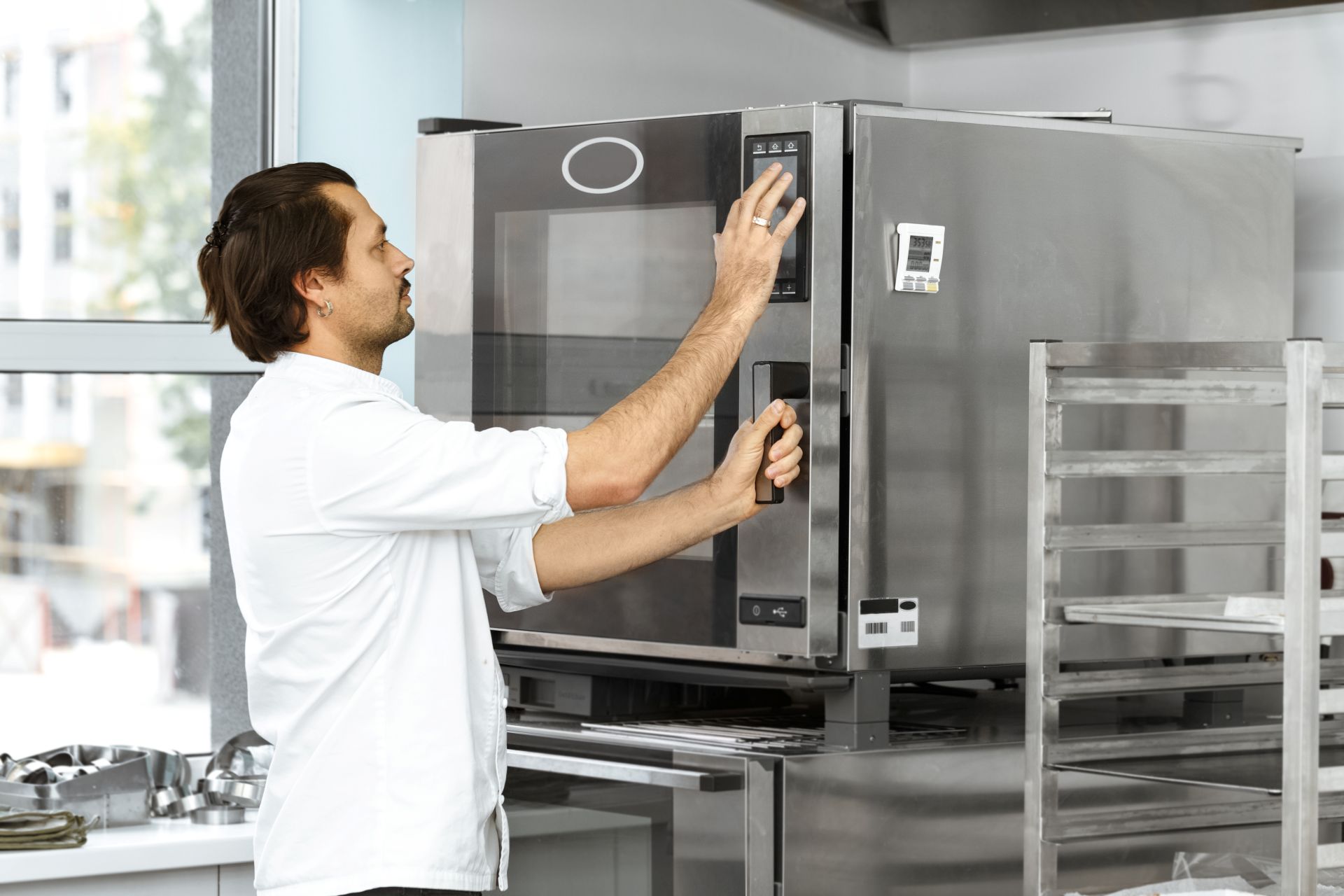
Even a well-maintained oven can fail if it is used incorrectly. Overloading the oven, using wrong temperature settings, or handling it poorly can damage components and shorten its life. Operator error is often overlooked but can be prevented with proper training and awareness.
Prevention Tips:
- Train staff on proper oven use, loading limits, and temperature settings.
- Use labeled controls or quick-reference guides to reduce mistakes.
- Encourage staff to report unusual noises or performance issues right away.
- Offer refresher training periodically to reinforce correct handling.
6. Routine Checks to Prevent Downtime
Preventive maintenance is the best way to avoid commercial oven malfunctions. Regular checks help catch small problems before they turn into major issues. Daily tasks include wiping surfaces, checking for unusual sounds, and verifying temperatures. Weekly inspections focus on heating elements, fan motors, and electrical connections. Monthly tasks can include deep cleaning, checking door seals, and lubricating moving parts. Professional inspections and calibration ensure the oven continues working efficiently over time.
Suggested Routine Checks:
- Daily: Clean surfaces, check for unusual sounds, verify temperatures.
- Weekly: Inspect heating elements, fan motors, and electrical connections.
- Monthly: Deep clean the oven, check door seals, lubricate moving parts.
- Quarterly/Annually: Schedule professional inspections and calibration.
Most commercial oven issues can be avoided with regular maintenance, proper use, and thorough cleaning. For more guidance or to schedule preventive maintenance on your kitchen equipment, contact STAR’s expert team. Our experienced technicians can help identify potential problems before they cause downtime, ensure your ovens and other equipment are running efficiently, and keep your kitchen safe and fully operational at all times.