Memorial Day is around the corner, and for bars and restaurants across Eastern Iowa, that means one thing: it's about to get busy. Longer days, outdoor patios, and summer events put serious demand on your bar equipment — and the worst time to find out something isn't working is when you're slammed on a Friday night.
The good news? Most bar equipment problems are preventable. A little attention now can save you from emergency repairs, lost revenue, and frustrated customers all summer long. Here's what to check across your three most critical pieces of bar equipment.
Ice Bins and Bar Ice Machines
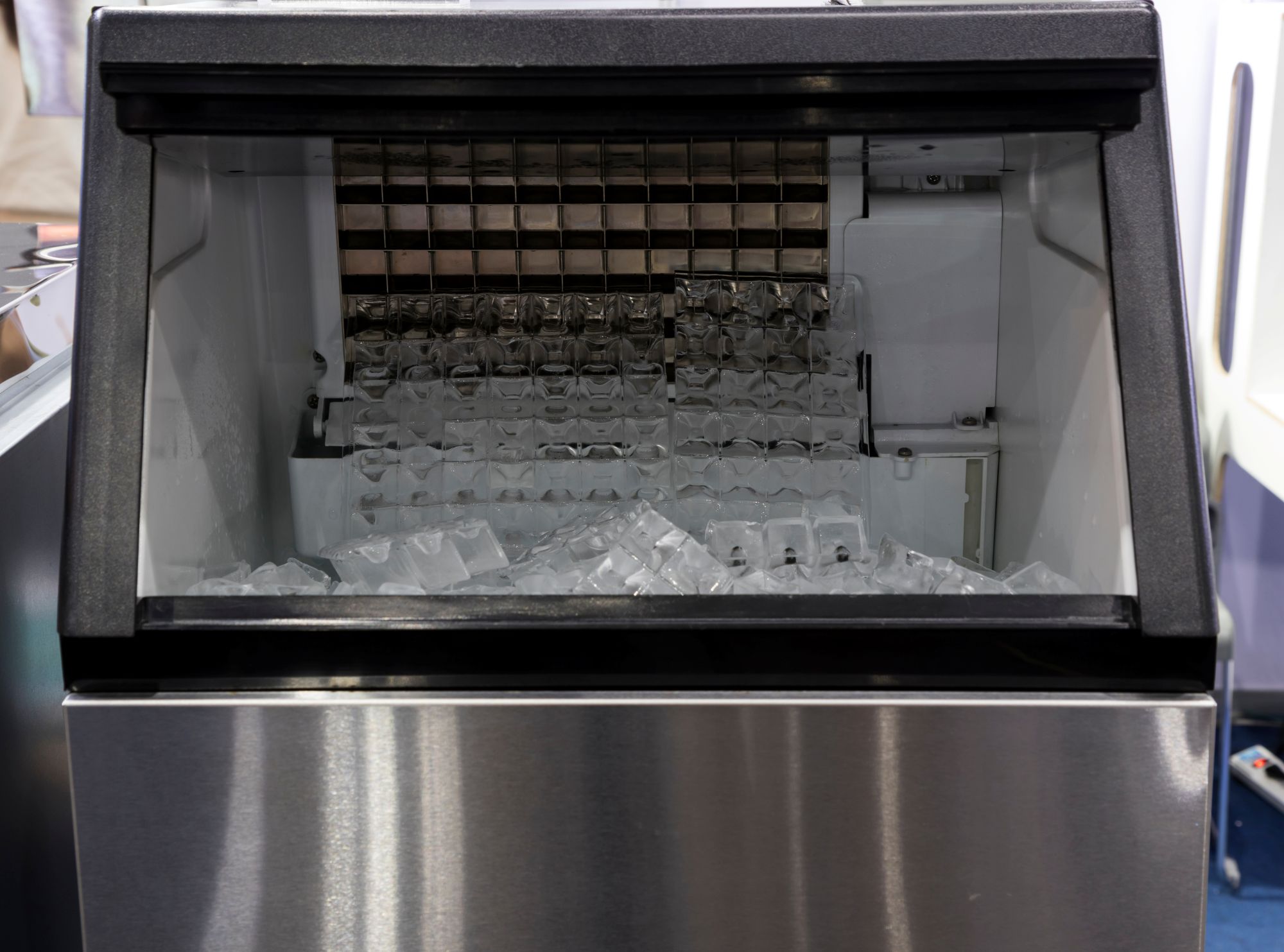
Ice is arguably the most important ingredient behind any bar. If your ice machine or bin isn't keeping up, everything from cocktails to soft drinks suffers — and so does your bottom line.
Common problems to watch for:
- Low ice production — If your machine is running but output is dropping, it's often a sign of dirty condenser coils, a clogged water filter, or scale buildup inside the unit. In summer heat, air-cooled machines work harder and are especially vulnerable.
- Hollow, cloudy, or misshapen cubes — Usually a water quality or mineral buildup issue. Left unaddressed, this leads to full ice maker failure.
- Slimy interior or off-tasting ice — A sign the machine is overdue for a deep clean and sanitize cycle. Health inspectors notice this too.
- Ice bin not draining properly — A clogged drain can lead to pooling water, ice melt overflow, and slip hazards behind the bar.
What to do:
Clean and sanitize your ice machine at least every 6 months — more frequently in high-volume bar settings. Replace water filters on schedule. Keep the area around the machine clear for proper airflow, especially if it's an air-cooled unit in a warm back-bar space.
If production is dropping or ice quality has changed, don't wait. These issues almost never resolve on their own.
STAR Tip: We offer ice machine rentals that include maintenance and service — so if your unit is aging, it may be worth a conversation before peak season hits.
Glass Washers
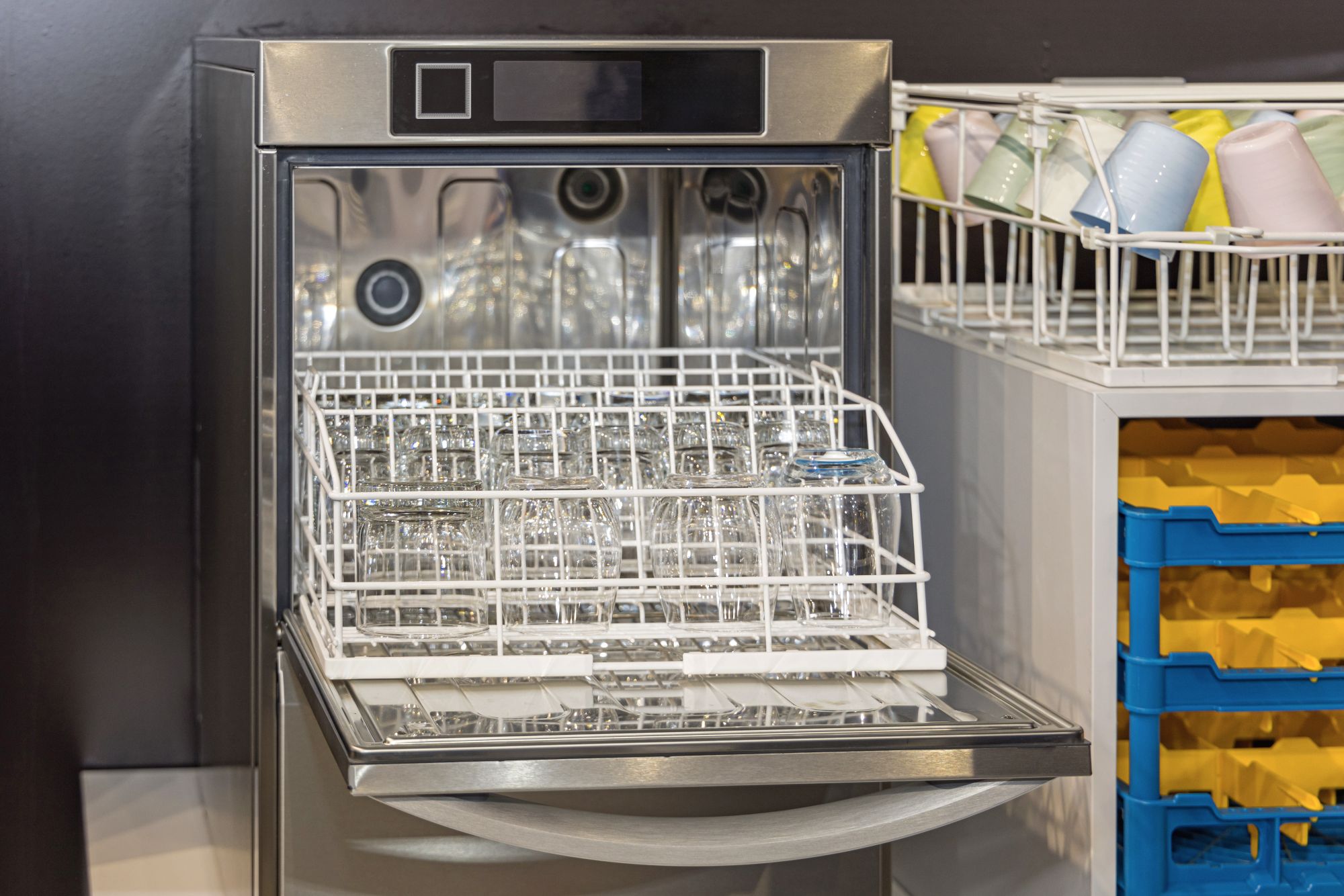
Your glass washer runs hundreds of cycles a day during a busy shift. It's easy to forget about it until it breaks down — usually at the worst possible moment.
Common problems to watch for:
- Glassware coming out cloudy or spotted — Usually a water temperature issue (too low to sanitize properly) or detergent/rinse aid running out. Both are easy to fix but often overlooked.
- Glasses still dirty after a cycle — Check the spray arms. They clog with mineral deposits and debris over time and are simple to clean.
- Leaking around the door — Door gaskets wear out with heavy use. A leaking washer creates water on the floor, a safety hazard, and a sign the unit needs attention.
- Machine not draining between cycles — A clogged drain strainer is the most common cause and usually takes two minutes to clear.
- Unusual noises during operation — Banging or grinding can indicate a worn pump or something caught in the wash chamber.
What to do:
Train your bar staff to check detergent and rinse aid levels at the start of every shift. Clean the spray arms and strainer basket daily. Inspect door gaskets monthly and replace them before they start leaking. Descale the unit regularly — especially in areas with hard water, which is common throughout Eastern Iowa.
Draft Beer Systems
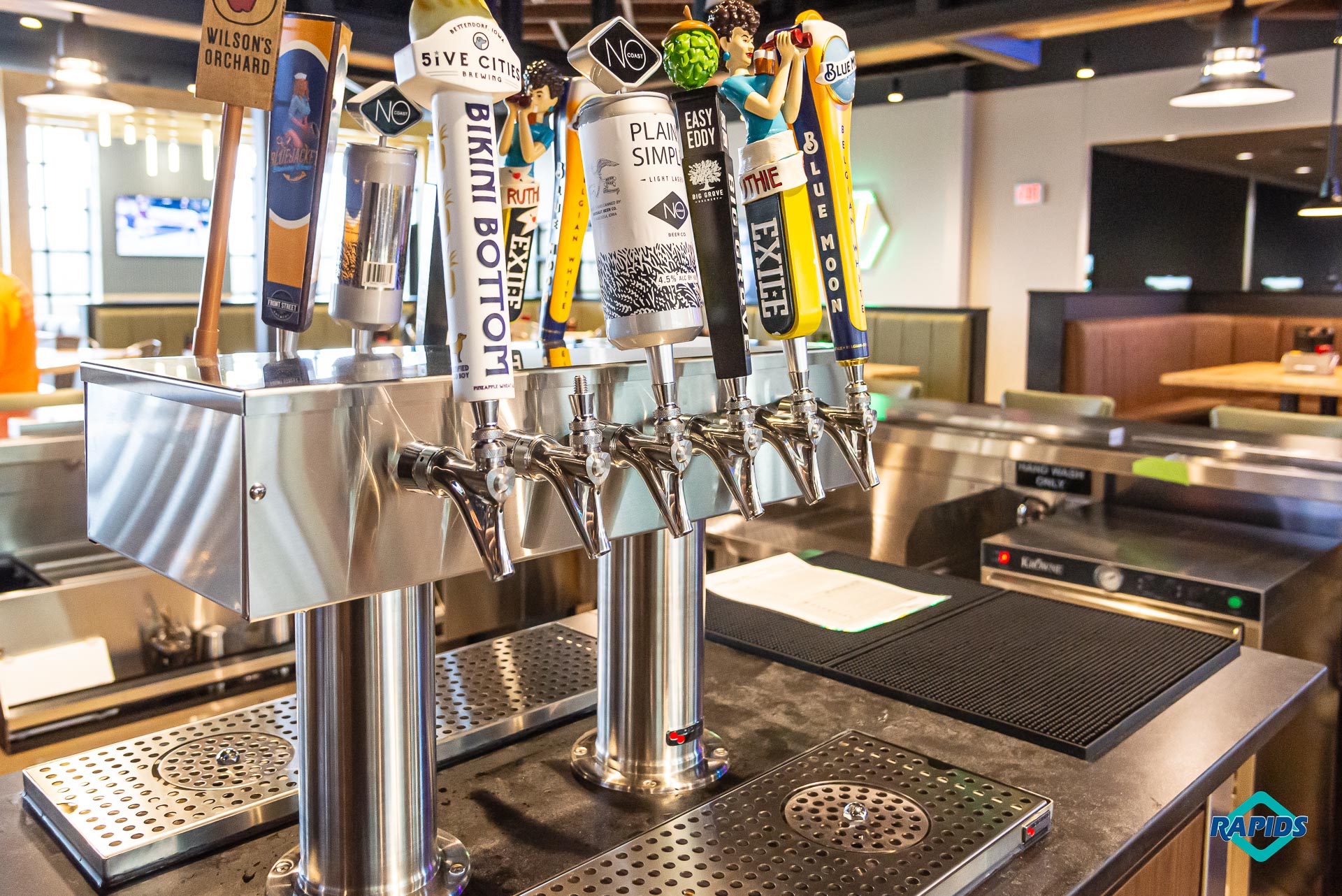
A draft system problem can cost a bar hundreds of dollars in wasted kegs and lost sales. Draft issues are also highly visible to customers — warm beer, flat pours, and excessive foam are hard to hide.
Common problems to watch for:
- Foamy pours — The most common complaint, usually caused by incorrect line temperature, CO2 pressure set too high, or beer line that needs cleaning. Temperature is the biggest culprit in summer.
- Flat beer — CO2 pressure too low, a leak in the gas line, or an empty CO2 tank.
- Off-flavors or funky smell — Beer lines should be cleaned every two weeks. Dirty lines allow yeast and bacteria to build up, which ruins the taste of even a premium keg.
- Faucet dripping or not pouring cleanly — Faucet washers and seals wear out. Replacing them is inexpensive and easy.
- Kegerator or walk-in not holding temperature — In summer, refrigeration systems work harder. If the cooler isn't holding 36–38°F, your draft system will struggle regardless of how well the rest is maintained.
What to do:
Clean your beer lines on a regular schedule — every two weeks is industry standard. Check CO2 pressure and gas connections weekly. Monitor cooler temperature daily, especially as outdoor temps rise. If your walk-in or kegerator is struggling to hold temp in the heat, that's a refrigeration issue worth addressing before it becomes an emergency.
When to Call a Technician
Some bar equipment issues are easy for your staff to handle — cleaning, filter changes, checking pressures. But others need a trained eye:
- Ice machine not producing at all, or producing significantly less than usual
- Glass washer not heating water to proper sanitizing temperature
- Draft system issues that persist after cleaning and pressure checks
- Any refrigeration unit struggling to hold temperature
- Unusual noises, error codes, or electrical issues on any unit
Catching these early — before the weekend rush or a private event — is almost always cheaper than an emergency call.
Keep Your Bar Running All Summer
STAR Foodservice Equipment Repair provides on-site repair and scheduled maintenance for bar equipment, ice machines, refrigeration, and more throughout Eastern Iowa and Western Illinois. We offer 24/7 emergency service for those situations where you can't afford to wait.
If your bar equipment is due for a checkup — or if something already isn't right — contact our team or schedule a service call today.