Running a commercial kitchen comes with many responsibilities, and one of the most important is protecting your equipment investment. Commercial kitchen equipment can be expensive, and when something goes wrong, repairs or replacements can disrupt your operations and impact your bottom line. That’s where warranties come in.
But a warranty isn’t a “get out of trouble free” card. In many cases, your coverage depends on how well you care for your equipment. Proper maintenance not only prolongs the life of your appliances but also ensures that any warranty claims remain valid. Understanding the ins and outs of equipment warranties can save your business time, money, and stress.
1. Understanding the Types of Warranties
Most commercial kitchen equipment comes with a manufacturer’s warranty, which typically covers defects in materials or workmanship for a specified period - ranging from several months to a few years depending on the equipment type.
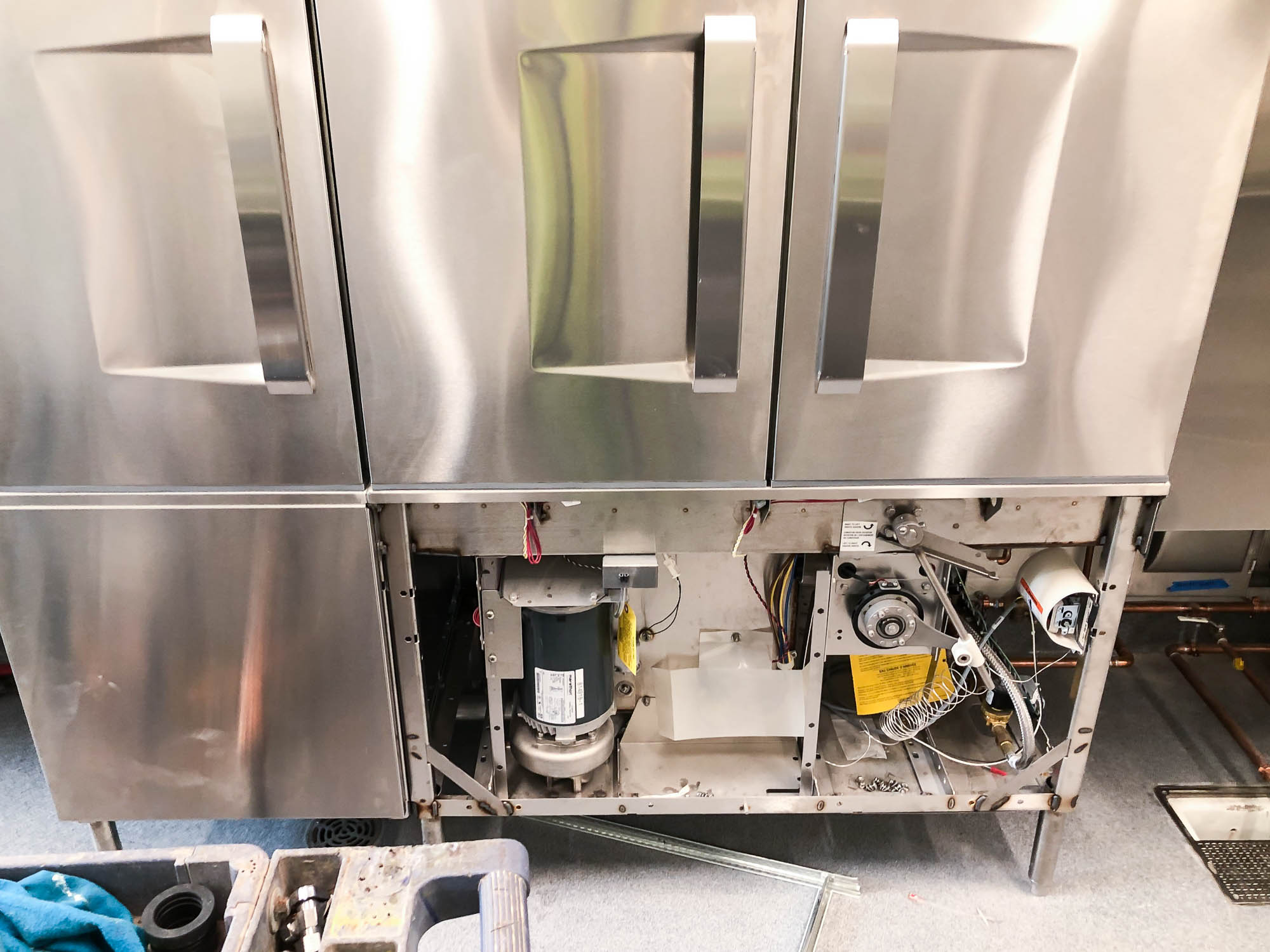
Beyond that, businesses may encounter other warranty options, such as:
- Extended Warranty – Offers coverage beyond the standard manufacturer period. Ideal for high-use or high-value appliances, such as commercial ovens, refrigerators, or ice machines.
- Limited Warranty – Covers only specific components, like motors, burners, or electronic controls. It’s important to know which parts are included and which aren’t.
Understanding the limitations of your warranty helps you plan maintenance routines and avoid surprises if something fails. By knowing exactly what type of coverage you have, you can better protect your investment and ensure smooth kitchen operations.
2. Why Maintenance is a Warranty Requirement
Warranties often include explicit maintenance requirements. Failure to follow these can void coverage entirely. For instance, a refrigeration warranty may require regular condenser coil cleaning, proper defrost cycles, and timely replacement of worn seals. A commercial hood system warranty may stipulate scheduled cleaning of grease filters and inspection of ductwork.
Even something as seemingly minor as not calibrating temperature controls on a steam table or refrigerator can result in denied warranty claims. Manufacturers want to ensure that equipment failures are caused by defects, not neglect.
Proper maintenance isn’t just a paperwork exercise - it has real effects on performance. Well-maintained equipment runs more efficiently, uses less energy, and reduces the risk of breakdowns. That means fewer emergency repairs and lower utility costs over time.
3. Document Everything
A warranty claim often depends on proof that your equipment was cared for properly. Keeping detailed maintenance records can be the difference between approval and denial.
For example, a simple notebook, digital log, or service software entry should note:
- Dates of routine inspections and cleanings
- Repairs or adjustments made by staff or service technicians
- Parts replaced or serviced
This documentation shows manufacturers that any issue wasn’t caused by negligence. Without it, even a minor mechanical failure could be excluded from coverage.

4. Common Warranty Pitfalls
Even experienced kitchen operators can unintentionally void their equipment warranties. One common mistake is using non-approved replacement parts. While it might seem convenient or cost-effective at the time, these parts may not meet manufacturer specifications and can lead to denied claims.
Modifying equipment beyond the manufacturer’s guidelines is another frequent issue. Alterations to controls, burners, or electronic components can affect performance and may immediately void coverage. Similarly, skipping routine maintenance tasks - like cleaning filters, inspecting seals, or lubricating moving parts—can create problems that fall outside warranty protection.
Operating appliances outside the recommended temperature, load, or usage limits is also a major pitfall. Overloading a fryer, running a refrigerator at incorrect temperatures, or exceeding capacity guidelines can all contribute to equipment failure. Even a single violation can impact the entire warranty, leaving your business responsible for costly repairs. Understanding these pitfalls and following proper procedures helps protect your investment and avoid unnecessary expenses.
5. Proactive Maintenance Benefits
Regular, proactive maintenance does much more than keep your warranty valid - it directly improves the safety, efficiency, and reliability of your kitchen. When equipment is cared for consistently, small problems can be caught early, performance stays strong, and your kitchen runs smoothly. Preventive maintenance helps avoid unexpected breakdowns that can disrupt operations and lead to costly repairs.
Some of the key benefits of proactive maintenance include:
- Consistent temperatures in refrigerators and freezers, ensuring food safety and reducing the risk of spoilage.
- Efficient operation of fryers and ovens, which lowers energy usage and ensures consistent cooking results.
- Cleaner ventilation and hood systems, improving air quality, reducing fire hazards, and extending the life of your exhaust equipment.
- Early detection of minor issues, such as leaks, loose connections, or worn components, which can be fixed quickly before they escalate.

Many kitchen operators also schedule professional preventive maintenance at regular intervals. This ensures that manufacturer recommendations are followed, all parts are thoroughly inspected, and small issues are corrected before they turn into major problems. By investing in routine care, you not only protect your warranty but also improve your kitchen’s efficiency, safety, and overall lifespan of the equipment.
6. Tips for Keeping Warranties Valid
Here are some practical ways to protect your warranty while keeping equipment running smoothly:
- Follow manufacturer maintenance schedules to the letter
- Train staff on proper usage and care procedures
- Only use approved parts and accessories
- Keep clear records of all inspections, cleanings, and repairs
- Schedule professional service periodically, even if equipment seems fine
These steps are simple but effective, providing peace of mind and extending the lifespan of your investment.
A commercial kitchen equipment warranty is only as strong as your maintenance practices. By understanding your coverage, staying on top of routine maintenance, documenting everything, and avoiding common pitfalls, you can protect your investment, reduce costs, and keep your kitchen running at peak efficiency.
Remember, a well-maintained piece of equipment isn’t just more reliable - it’s your best defense for keeping your warranty intact. At STAR, we offer professional preventive maintenance services to help keep your equipment running smoothly, extend its lifespan, and ensure your warranties stay valid. Contact us today to schedule a maintenance check and protect your kitchen investment.