
Ice machines are an essential part of many outdoor recreational facilities. Golf courses, marinas, sports complexes, campgrounds, water parks, and outdoor event venues all rely on ice machines to serve beverages, stock coolers, and keep guests comfortable during warm weather. During peak seasons, these machines may run constantly to keep up with demand.
However, outdoor venues often operate on seasonal schedules. Equipment may sit unused for months during colder periods, which can create unique maintenance challenges once operations begin again. Without proper cleaning and preventative maintenance, ice machines can develop mold, mineral buildup, and performance issues that affect both sanitation and reliability.
Regular ice machine cleaning helps ensure safe ice production, reliable performance, and a better experience for guests throughout the busy season.
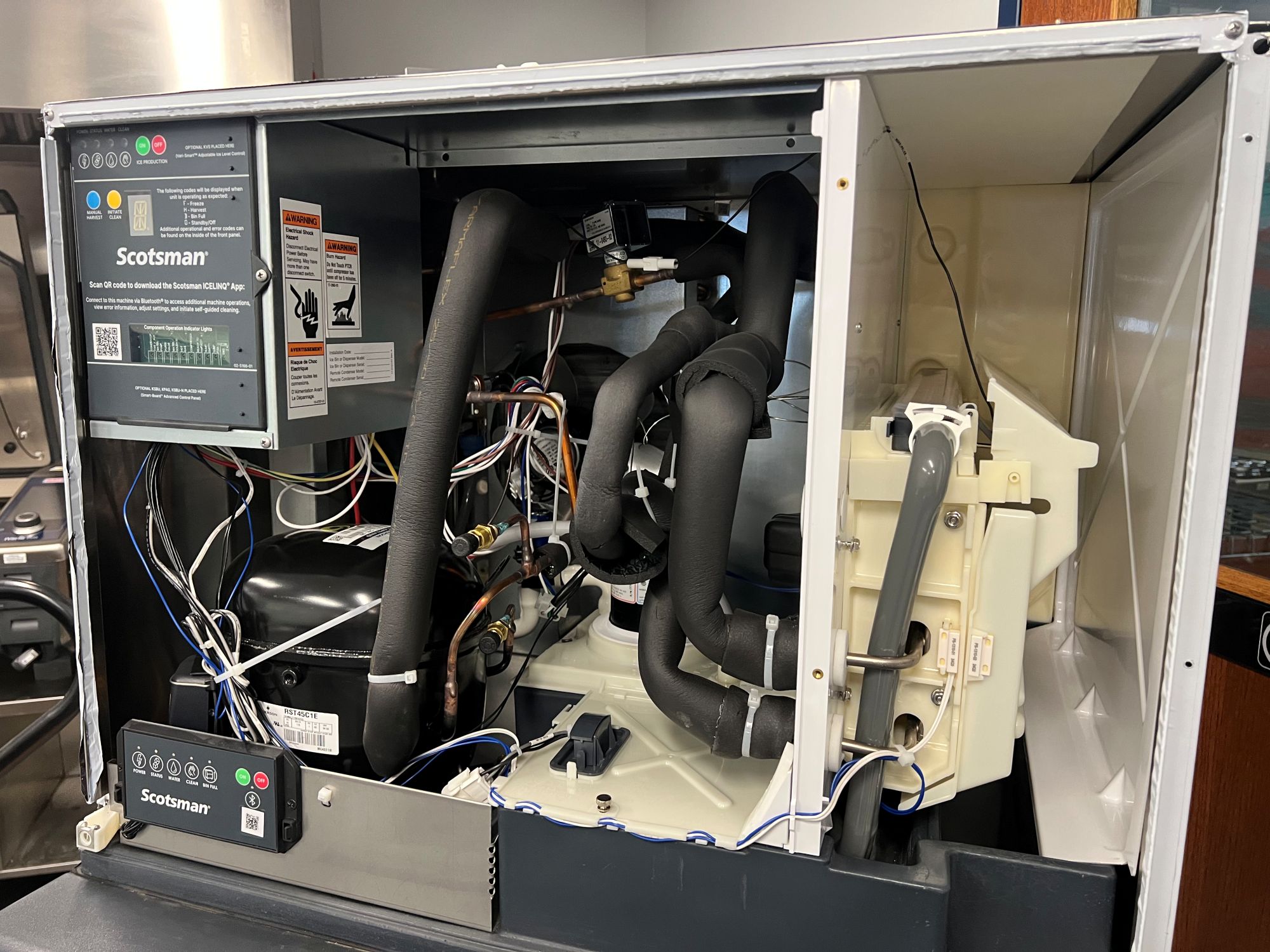
Why Ice Machine Cleaning Is Important
Ice is considered food, which means it must be produced in a clean and sanitary environment. Over time, minerals from water can form scale on internal components, while moisture inside the machine can encourage mold or bacterial growth. For golf courses and other outdoor venues that serve large numbers of guests during peak months, maintaining clean and reliable ice production is especially important.
Routine cleaning helps:
- Maintain sanitary ice production
- Prevent mold, slime, and mineral buildup
- Protect internal components from damage
- Maintain consistent ice quality and taste
- Extend the life of the equipment
Seasonal Challenges for Outdoor Venues
Unlike restaurants that operate year-round, many outdoor recreational facilities experience long off-seasons. During periods when equipment sits unused, several issues can develop inside an ice machine that may not become noticeable until the machine is restarted. Because of these risks, a thorough cleaning before reopening is essential to ensure the machine is safe to operate and capable of meeting guest demand. Common seasonal concerns include:
Stagnant Water and Microbial Growth
If the machine was not fully cleaned and drained before shutdown, standing water can remain in the system. Over time, this moisture can allow mold, slime, or bacteria to develop inside the machine or in the ice bin.
Mineral Scale Buildup
Water minerals can accumulate on evaporators and internal components, especially if the machine was heavily used before closing. When the machine sits idle, this buildup can harden and make the system less efficient when it starts up again.
Dust, Debris, and Pests
Outdoor environments, storage areas, and seasonal buildings can expose equipment to dust, insects, or debris during the off-season. These contaminants can enter the ice bin or ventilation areas and affect sanitation or airflow.
Best Time to Schedule Ice Machine Cleaning
Seasonal facilities benefit from a maintenance schedule that prepares equipment before guests arrive and keeps it running efficiently during peak use. Planning service at key points throughout the year helps reduce the risk of sanitation issues or unexpected equipment problems. Professional technicians can also inspect water filters, pumps, and refrigeration components during these visits to ensure the machine continues operating reliably. A typical schedule may include:
Pre-season Cleaning
Before reopening for the season, a full cleaning and inspection ensures the machine is sanitary and operating properly. Technicians can remove scale buildup, sanitize internal components, and confirm that the system is ready for regular use.
Mid-season Maintenance
Heavy usage during warm months can lead to faster buildup of scale and residue. A mid-season cleaning helps maintain ice quality and keeps the machine running efficiently during periods of high demand.
End-of-season Shutdown Cleaning
Cleaning the machine before closing helps prevent buildup during the off-season. Properly draining and sanitizing the system reduces the risk of mold growth or stagnant water problems while the machine is not in use.
Signs Your Ice Machine Needs Cleaning
Even with a planned maintenance schedule, operators should watch for signs that an ice machine may need attention. Changes in ice quality or production often indicate that buildup or contamination may be developing inside the system. Addressing these issues early can prevent more serious equipment problems and help maintain a consistent supply of clean, high-quality ice for guests.
Common warning signs include:
- Ice that appears cloudy or has an unusual taste
- Slower ice production or difficulty keeping up with demand
- Unpleasant odors coming from the bin or machine
- Visible scale or residue inside internal components
- Ice clumping together in the bin
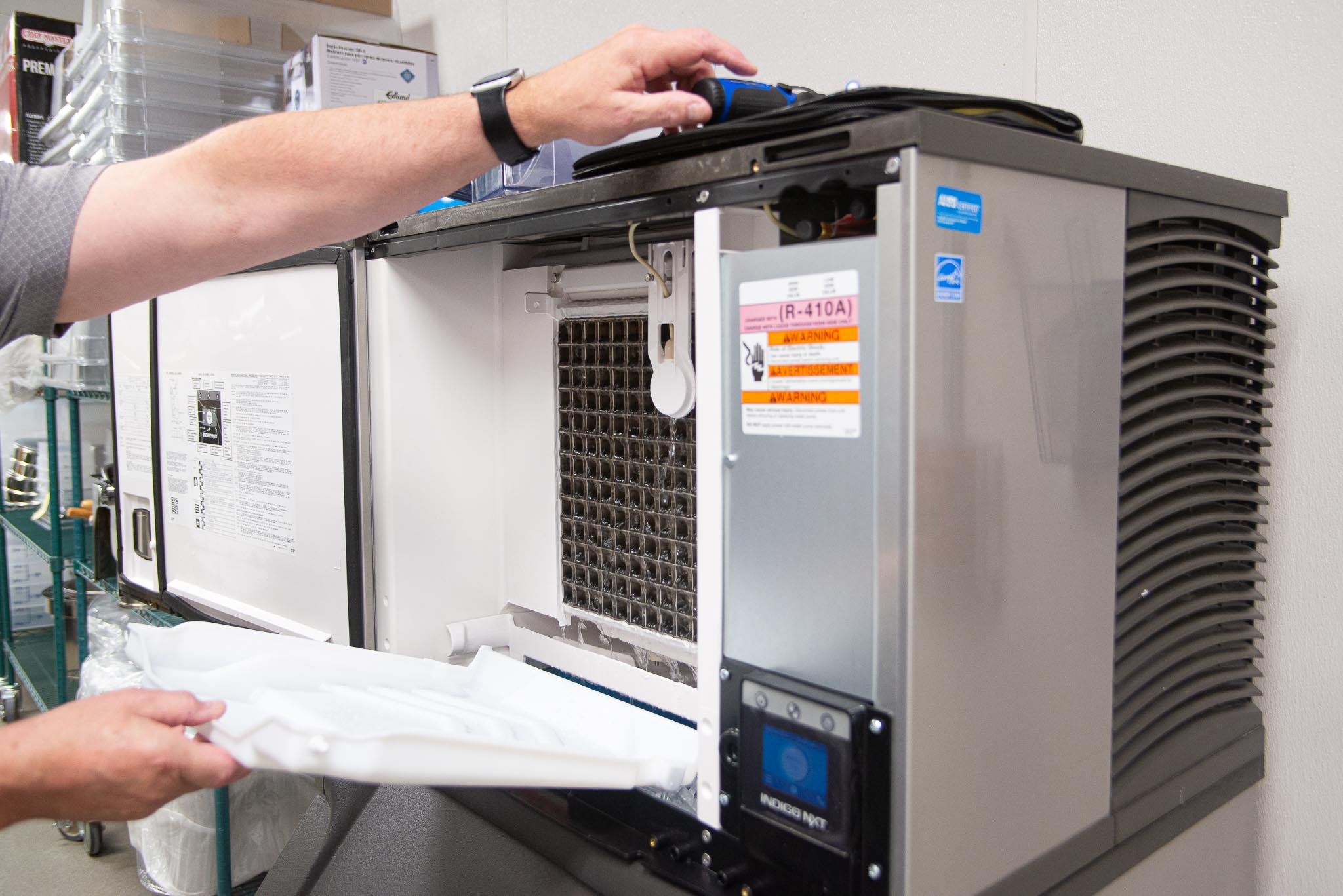
The Value of Professional Ice Machine Service
While some routine cleaning tasks can be performed by staff, professional service ensures a deeper cleaning and system inspection. Technicians use manufacturer-approved cleaners and procedures to safely remove mineral scale and sanitize internal components.
Professional service can also identify developing problems such as worn parts, restricted airflow, or refrigeration issues before they lead to costly breakdowns.
For seasonal venues like golf courses, preventative maintenance helps ensure equipment is ready for the busiest months of the year.