Cold brew and nitro coffee continue to grow in popularity across cafés, bakeries, bars, and mobile beverage setups. Guests love the smooth, chocolate-like flavor that comes from long extraction times, and operators rely on consistent brewing and dispensing equipment to keep quality high.
But with that popularity comes a common maintenance issue: mold growth inside cold brew brewers, toddy systems, kegs, and draft lines.
Because cold brew is extracted at room temperature and sits for long periods, it creates a perfect environment for mold. Understanding how and why it develops - and how to prevent it - helps protect taste, safety, and the lifespan of your equipment.
Why Cold Brew Systems Are Prone to Mold
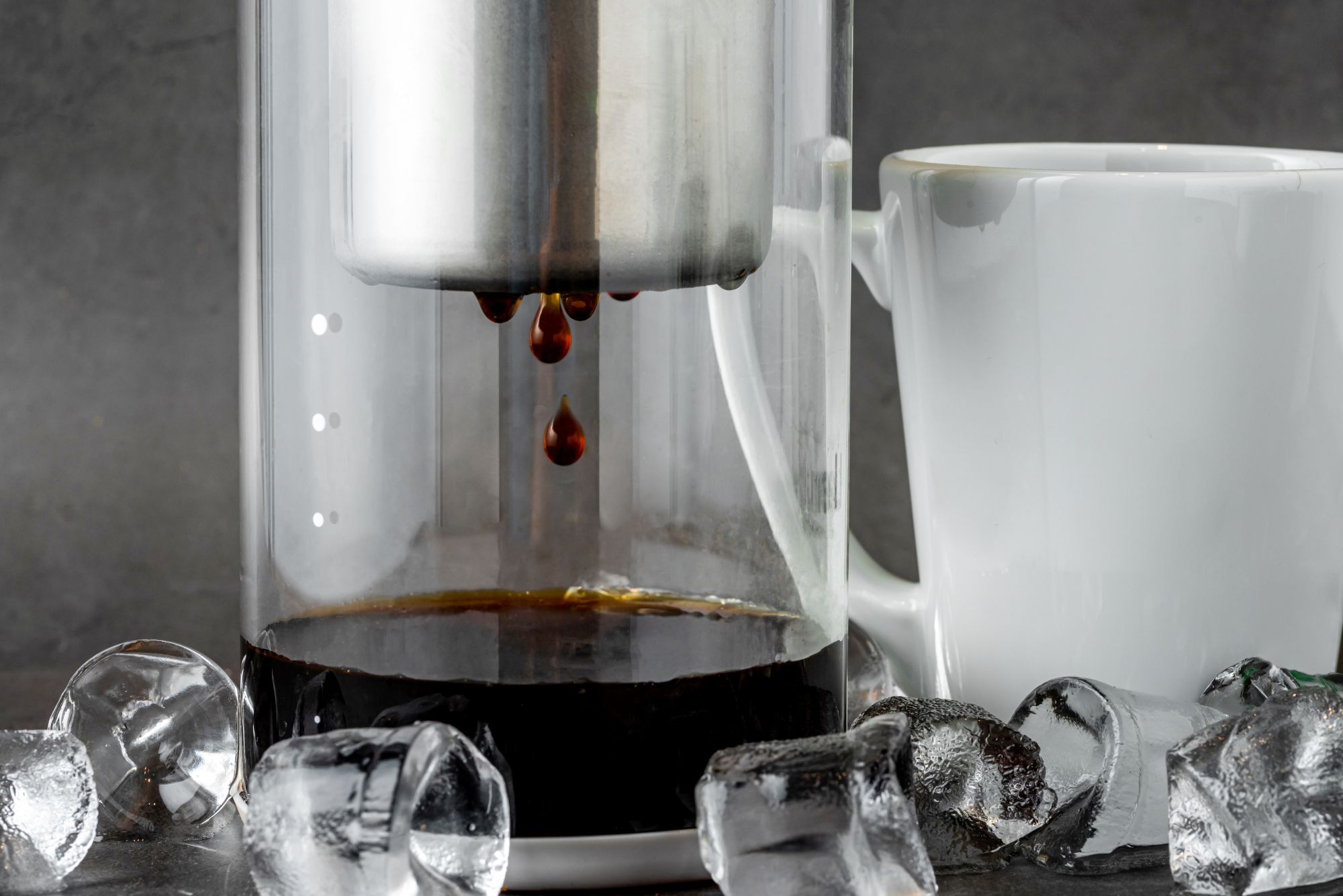
Cold brew extraction typically takes 12-24 hours, depending on recipe and equipment. Most systems use an upper chamber for grounds and water, a lower chamber for the finished concentrate, and a fine screen filter between them.
This design creates several mold-friendly conditions:
- Damp, dark chambers
- Natural coffee oils and residue that act as food sources
- Long, slow extraction cycles
- Filter screens that trap organic material
- No heat exposure to kill spores
Even small amounts of residue left behind after brewing can allow mold to grow quickly.
How to Sanitize Cold Brew Brewers
The most effective way to prevent mold is to clean and sanitize the brewer immediately after each batch. A standard sanitation process includes:
- Discard grounds right away - never let them sit.
- Fill the upper chamber with clean water and add a food-safe sanitizer according to its dilution directions.
- Leave the filter or screen in place so sanitizer reaches every surface that can trap spores.
- Allow the solution to run completely through to the lower chamber.
- Rinse with fresh water at least two times.
- Dry all parts thoroughly, including lids and gaskets. Drying is especially important - moisture left behind allows mold to return even after a proper cleaning.
Cleaning Kegerators, Nitro Lines & Draft Equipment
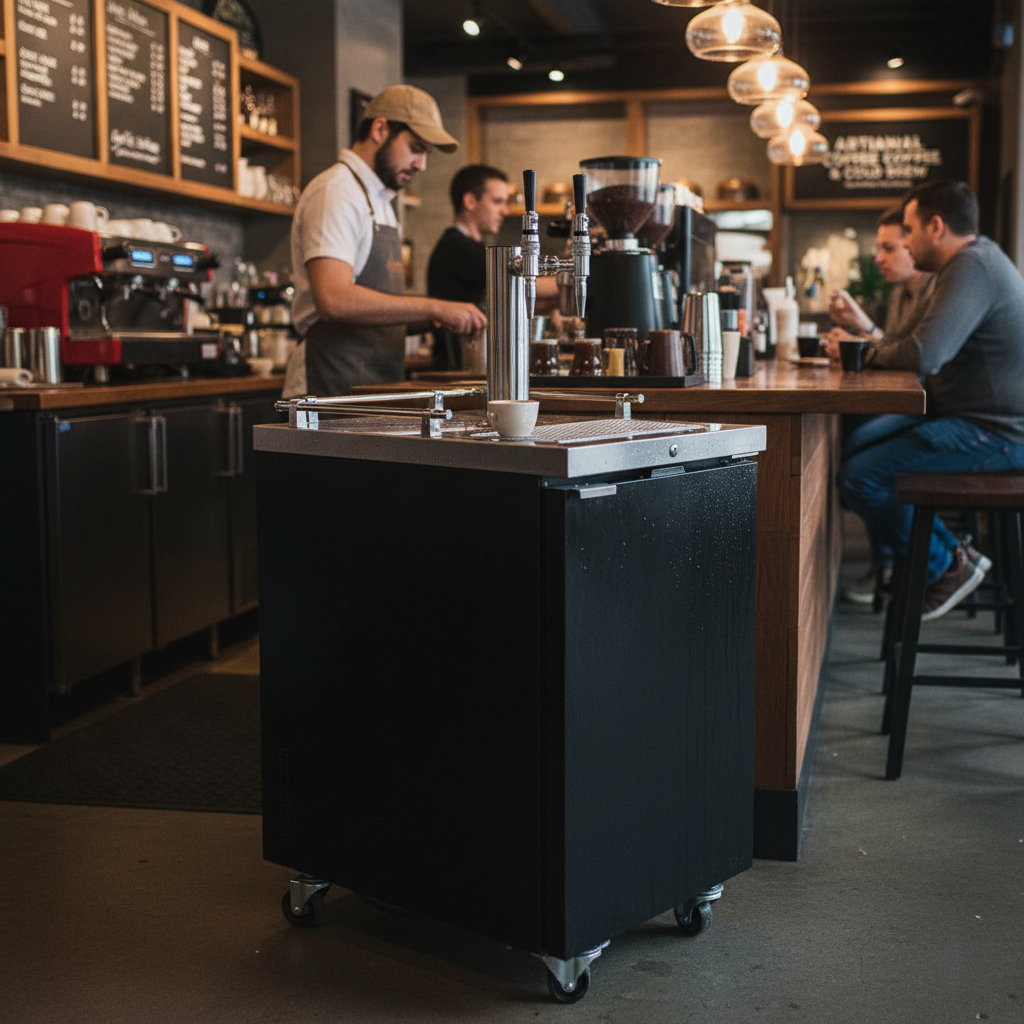
If you're dispensing cold brew or nitro coffee through a tap, kegerator, or mobile cart, the serve-side equipment needs regular sanitation as well.
Recommended cleaning frequency:
- Weekly for standard café operations
- Every two weeks at minimum
- After every use for portable jockey boxes or cold-plate setups
Line cleaning helps prevent a range of issues that can affect both equipment and product quality. Regular sanitation keeps mold and yeast from developing inside the lines, removes coffee oil residue, and eliminates the off-flavors that come from buildup. It also reduces the risk of clogged faucets and helps maintain the full shelf life of your cold brew.
Many foodservice sanitizers work for both brewers and lines - as long as they are designed for beverage contact surfaces. Solutions formulated for coffee systems can help break down stubborn oils and residue more effectively.
Coffee Kegerators vs. Beer Kegerators
Even though the exterior equipment looks similar, they operate differently:
- Beer systems: Use CO₂ or CO₂/nitrogen blends and are designed for carbonated beverages.
- Cold brew systems: Use 100% nitrogen to preserve flavor and avoid acidity, and may include slightly different keg valves or spear designs.
Despite these differences, cleaning procedures for the lines and faucets are the same. Removing and cleaning faucet parts, flushing lines with sanitizer, and performing thorough rinses keeps the entire system functioning safely.
Keeping Your Cold Brew Program Safe & Consistent
Mold is a common issue in cold brew and nitro coffee equipment - but it’s also one of the easiest problems to prevent with routine maintenance. Proper sanitizing, regular line cleaning, and full drying between uses will protect taste quality and extend the life of your equipment.
If your system needs additional attention - such as troubleshooting flow issues, inspecting seals, addressing off-flavors, or checking draft components - professional service can help keep your operation consistent and safe.