After the busy holiday season, commercial kitchens face heavy wear on their equipment. Ovens, fryers, refrigerators, beverage systems - all get used constantly, and small issues can quickly turn into major problems. Preventive maintenance is the best way to keep your kitchen running smoothly, reduce unexpected downtime, and save money on repairs. By scheduling maintenance before the new year, you can start the year confident that your kitchen equipment is safe, efficient, and reliable.
Why Preventive Maintenance is Important
Many kitchen operators don’t realize how much preventive maintenance can help. Taking care of your equipment regularly can prevent costly breakdowns, improve food safety, and keep your kitchen running smoothly. Here are the main benefits:
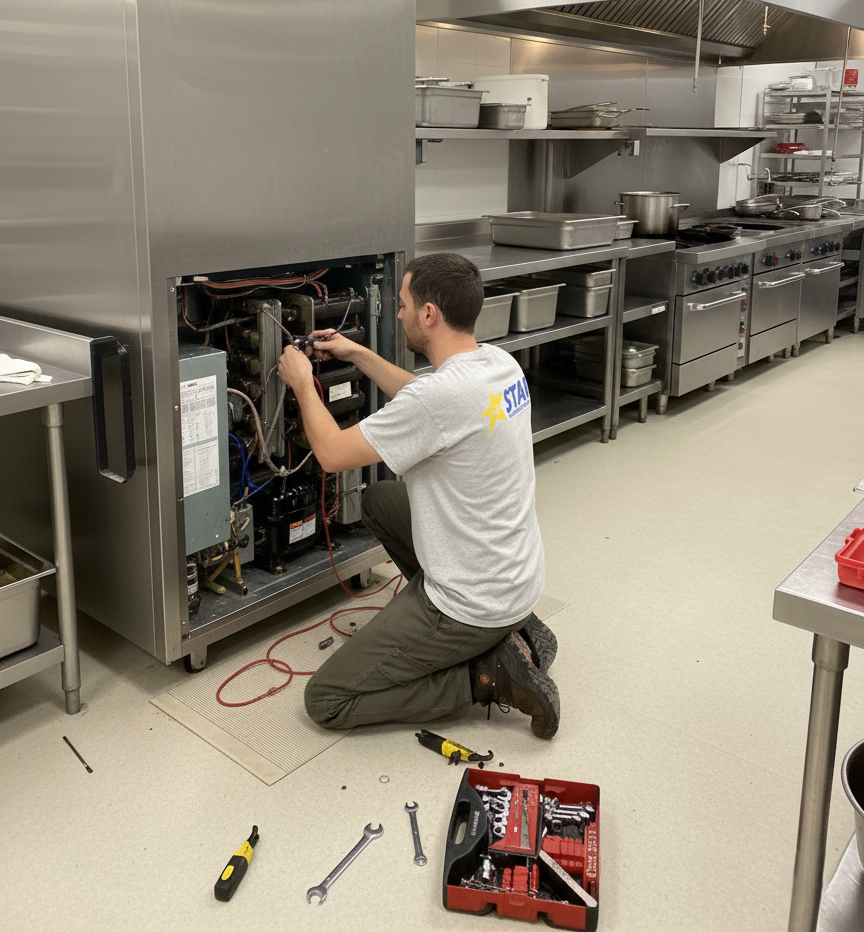
- Lower repair costs: Small problems can turn into big, expensive repairs if ignored. Regular maintenance fixes issues early.
- Reliable equipment performance: Ovens, fryers, refrigerators, and beverage systems work better when maintained, keeping food quality high and service fast.
- Longer equipment life: All equipment wears over time, but regular maintenance slows this down and reduces the need to replace items too soon.
- Improved safety: Broken equipment can cause hazards like electrical issues, leaks, or temperature problems. Scheduled maintenance keeps your kitchen safe and compliant with regulations.
- Energy savings: Well-maintained equipment runs more efficiently, lowering energy costs and reducing your kitchen’s environmental impact.
Preventive maintenance isn’t just about fixing problems - it stops problems before they happen, keeping your kitchen safe, efficient, and reliable.
How to Improve Maintenance Planning and Prevent Equipment Failures
Creating a robust maintenance plan is essential for avoiding downtime and maintaining operational efficiency. Here’s how to approach it:
1. Develop a clear schedule
Break down tasks into daily, weekly, monthly, and annual maintenance. For example, clean fryer oil filters daily, while refrigerator condenser coils might need monthly attention. Having a schedule ensures no task is overlooked.
2. Document inspections and repairs
Keep detailed records of every inspection, repair, and part replacement. This helps you spot recurring problems, plan ahead for replacements, and make your maintenance program more effective over time.
3. Train your staff
Make sure your team knows how to perform routine maintenance correctly. Simple checks like inspecting door gaskets, verifying thermostat settings, or cleaning drip trays can prevent bigger problems down the line. Encourage staff to report any issues immediately.
4. Use professional service when needed
Some tasks require specialized knowledge. Certified technicians can perform deep cleaning, calibrations, and preventive repairs that your team may not be able to handle safely. Their expertise helps prevent critical failures that could disrupt operations.
5. Focus on critical equipment
Give priority to high-use and high-risk equipment like walk-in coolers, ovens, fryers, ice machines, and beverage systems. Keeping these appliances in top shape directly affects kitchen efficiency, service speed, and food safety.
6. Monitor performance trends
Track metrics such as energy use, temperature consistency, and unusual sounds. Early detection of deviations can signal potential issues and allow you to take action before a failure occurs.
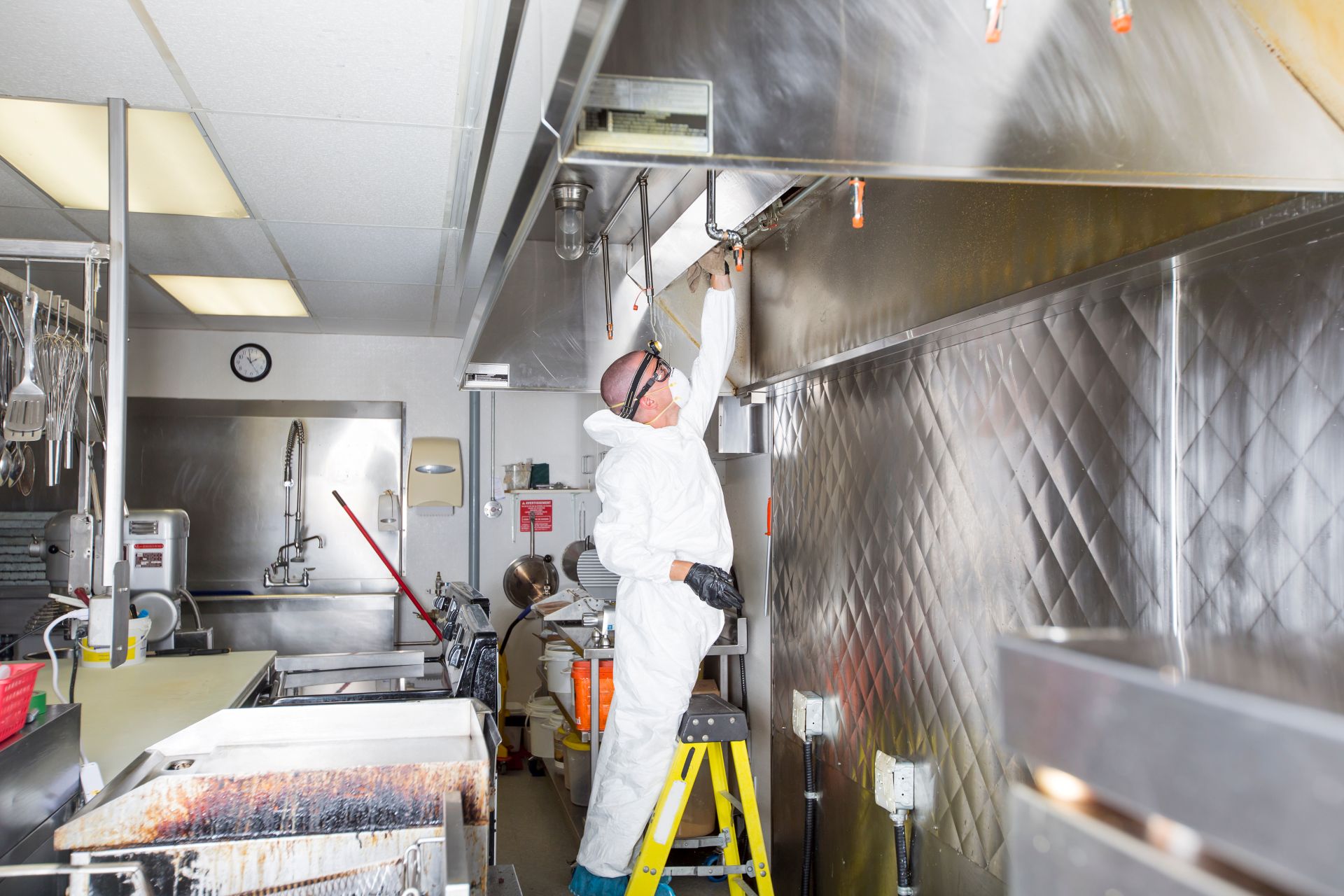
By following these steps, you can create a proactive maintenance plan that reduces unexpected repairs, keeps equipment running smoothly, and helps your kitchen stay prepared for busy service days.
Seasonal Considerations for Preventive Maintenance
Winter is a key time to focus on preventive maintenance. Cold temperatures, heavy use, and higher energy demands can put extra strain on your kitchen equipment.
- Cold weather impact: Refrigerators and freezers may have to work harder to maintain proper temperatures. Check door seals, thermostats, and condenser coils to keep cooling consistent.
- Holiday season wear: After months of heavy use, ovens, fryers, and steam tables can show extra wear. Winter maintenance ensures these appliances are ready for upcoming events or catering.
- Energy efficiency: Heating and refrigeration use more energy in winter. Regular cleaning and checks help equipment run efficiently and keep energy costs down.
By addressing these winter challenges, you can prevent breakdowns and keep your kitchen running smoothly all season.
The STAR Advantage
STAR’s preventive maintenance services make it easy to protect your kitchen. Our technicians inspect, clean, and service all major equipment. We identify small problems before they become expensive repairs, ensure compliance with safety standards, and help you plan maintenance for the entire year.
By scheduling preventive maintenance with STAR, you can start the new year confident that your kitchen is ready for peak performance. Don’t wait for a breakdown - take action now to save time, money, and stress while keeping your kitchen safe and reliable.