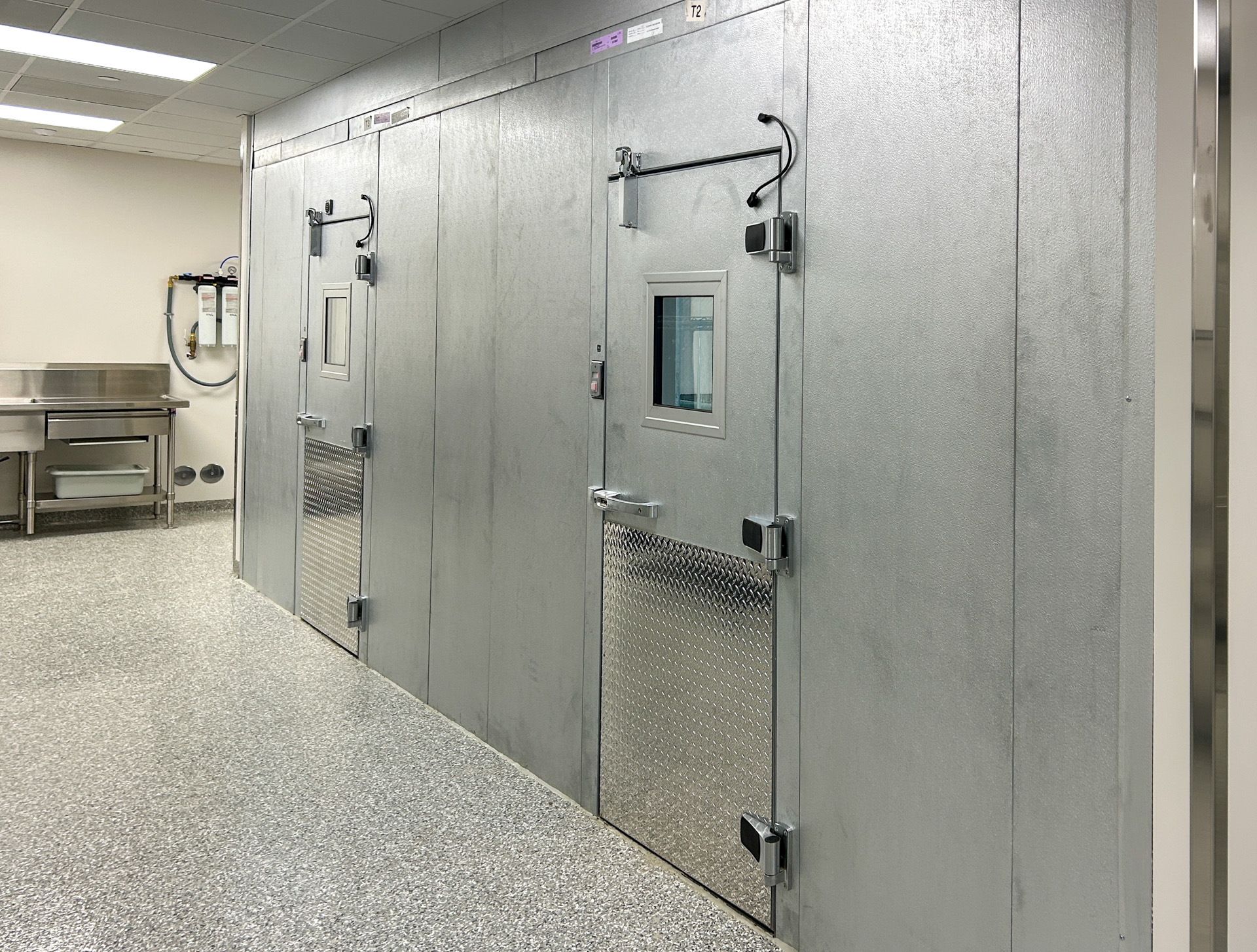
Walk-in coolers and freezers operate continuously behind the scenes of every commercial kitchen. Because they run 24/7, even small performance issues can escalate quickly. What starts as a minor temperature fluctuation can lead to food spoilage, health code violations, or a costly emergency breakdown.
The key is recognizing early warning signs before failure occurs. Below are the most common indicators that your walk-in cooler or freezer may need immediate professional attention.
Inconsistent Temperatures or Struggling to Stay Cold
Your walk-in should maintain stable, food-safe temperatures at all times. Coolers typically hold between 35°F and 38°F, while freezers should remain at 0°F or below. If you notice temperature swings throughout the day or product that feels warmer than it should, your system may be losing efficiency. Common signs include:
- Thermometer readings that fluctuate
- Frozen products softening
- Produce spoiling faster than usual
- The unit running longer than normal
Temperature inconsistency can be caused by refrigerant leaks, compressor issues, airflow restrictions, or thermostat malfunctions. Even slight variations can compromise food safety, so it’s important to investigate early.
Excessive Frost or Ice Buildup
While a light layer of frost in a freezer can be normal, heavy or rapidly forming ice is not. Ice accumulation is usually a sign that something within the refrigeration cycle is not functioning properly.
This often indicates a failing defrost system, damaged door gaskets, or excess humidity entering the unit. As ice builds up, airflow becomes restricted, forcing the system to work harder and increasing the risk of mechanical failure.
You may notice:
- Thick frost on evaporator coils
- Ice forming on walls or ceilings
- Ice buildup around door frames
- Airflow that feels restricted
Unusual Noises or Changes in Sound
Walk-in units naturally produce operational noise, but significant changes should never be ignored. If your unit suddenly sounds louder or different than usual, it could be an early warning of component failure.
These noises may point to compressor strain, fan motor issues, or loose internal components. Addressing these problems early can prevent more extensive and expensive repairs.
Listen for:
- Grinding or scraping sounds
- Loud buzzing or humming
- Persistent clicking during startup
- Rattling or vibrating panels
Water Leaks or Excess Condensation
Water pooling inside or outside the unit is a serious concern. Refrigeration systems are designed to manage moisture effectively, so visible water usually indicates a malfunction.
Leaks are commonly caused by clogged or frozen drain lines, defrost system failures, poor door seals that allow warm air inside, or underlying refrigerant and airflow problems. When moisture is not draining or evaporating properly, condensation builds up and eventually collects on the floor or surrounding surfaces.
Beyond damaging the equipment, standing water creates slip hazards for staff and may contribute to mold growth or structural issues. Prompt professional service can identify the root cause and correct it before the problem escalates into a larger repair.
Doors That Don’t Seal Properly
Door gaskets and hinges are critical to maintaining consistent internal temperatures. If the door does not close tightly, cold air escapes while warm air enters, forcing the refrigeration system to work harder to maintain safe conditions.
Over time, gaskets can become cracked, brittle, or loose, preventing a proper seal. You may notice warm air around the door frame, difficulty latching the door securely, or small visible gaps when the door is closed. Even a minor air leak can significantly increase energy usage and place added strain on the compressor. Replacing worn gaskets or adjusting door alignment is often a simple repair when addressed early.
Constant Running or Short Cycling
A healthy walk-in cooler or freezer cycles on and off at steady intervals. If the system runs continuously or turns on and off rapidly, it may be struggling to maintain temperature. Both conditions put excessive stress on the compressor, increasing the risk of total failure.
Continuous running often signals:
- Dirty condenser coils
- Low refrigerant
- Airflow restrictions
Short cycling can indicate:
- Thermostat problems
- Electrical component issues
- Pressure control malfunctions
Rising Energy Costs Without Increased Usage
If your energy bills increase without a noticeable change in kitchen volume, your refrigeration system may be losing efficiency. When internal components wear down or coils become dirty, the unit consumes more power to maintain safe temperatures.
A professional inspection can restore performance, improve efficiency, and extend the life of your equipment.
Don’t Wait for a Breakdown
Refrigeration issues rarely resolve on their own. Small warning signs often precede major failures, and early service is always less expensive than emergency replacement.
If you notice temperature fluctuations, unusual noises, frost buildup, leaks, or increased energy use, it’s time to schedule professional service. Prompt repairs protect your inventory, prevent downtime, and keep your kitchen operating safely.
STAR Foodservice Equipment Repair provides expert diagnostics and reliable refrigeration service to keep your walk-in coolers and freezers running efficiently. Addressing problems early helps safeguard both your equipment and your business.