
Proper maintenance is one of the most effective ways to extend the life of your True refrigeration equipment and reduce unexpected breakdowns. Regular cleaning, inspection, and preventative service help keep units operating at safe temperatures, improve energy efficiency, and protect stored product.
This guide outlines practical, service-focused maintenance steps commonly recommended for True commercial refrigerators and freezers. While examples often reference reach-in units, these best practices apply to most commercial refrigeration equipment. Always refer to manufacturer documentation for unit-specific instructions.
Why Routine Refrigeration Maintenance Matters
Consistent preventative maintenance helps identify small issues before they escalate into costly repairs. Neglecting basic maintenance can lead to:
Poor temperature control and food safety risks
Higher energy consumption
Premature component failure
Avoidable service calls and downtime
Cleaning the Condenser Coil
One of the most important tasks for any commercial refrigeration unit is regular condenser coil cleaning. Dust, grease, and debris buildup restrict airflow, forcing the system to work harder to maintain temperature. Many service calls for refrigeration failures trace back to dirty condensers, making this one of the simplest ways to prevent downtime.
Why it matters:
- Improves cooling performance
- Reduces strain on compressors and motors
- Helps prevent overheating and shutdowns
- Supports warranty compliance when applicable
Best practice:
- Clean condenser coils on a regular schedule based on kitchen conditions
- High-grease or high-dust environments may require more frequent cleaning
- Power the unit off before cleaning
- Use a soft brush or vacuum designed for condenser fins
Door Gasket Inspection and Care
Door gaskets play a critical role in maintaining internal temperature by creating a tight seal between the door and cabinet. Worn or dirty gaskets allow cold air to escape, increasing run times and energy use.
Routine gasket maintenance includes:
- Cleaning gaskets with mild soap and warm water
- Removing debris, grease, and residue that prevent proper sealing
- Inspecting for cracks, tears, or hardened sections
If a gasket does not seal evenly or shows visible damage, replacement should be scheduled promptly to avoid temperature fluctuations and excessive compressor cycling.
Preventing Rust and Surface Corrosion
Stainless steel refrigeration equipment still requires proper care to prevent corrosion and surface damage.
Use Non-Abrasive Cleaning Tools
Avoid steel wool, scrapers, or harsh pads that can scratch protective finishes. Soft cloths or non-abrasive pads help preserve stainless steel surfaces.
Avoid Chloride-Based Cleaners
Cleaners containing chlorides can cause pitting and corrosion. After cleaning, always wipe surfaces dry rather than allowing solutions to sit.
Maintain a Regular Cleaning Schedule
Even with appropriate products, infrequent cleaning allows hard water deposits and food residue to accumulate, increasing the risk of rust over time.
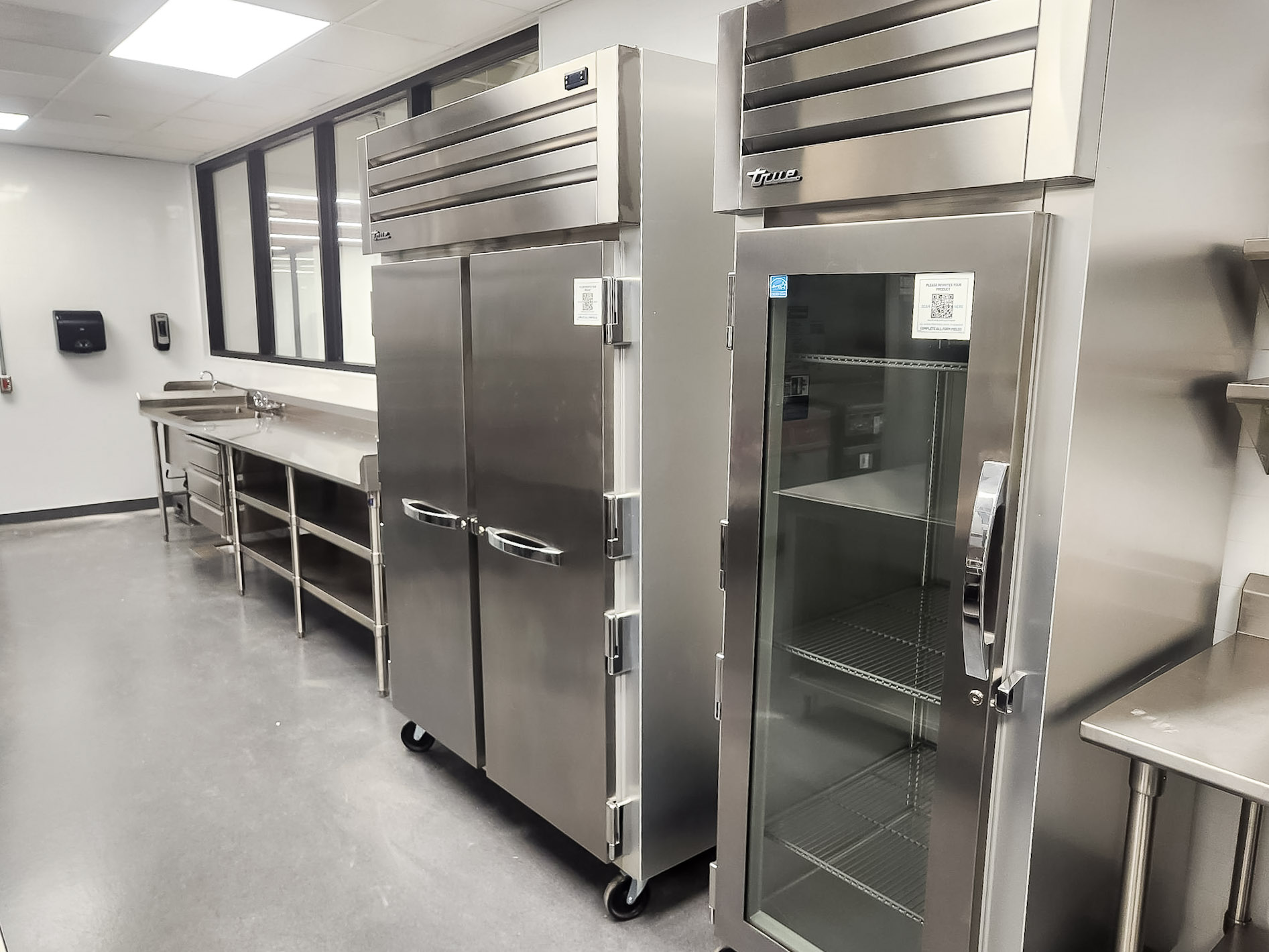
Ongoing Operational Checks
In addition to regular cleaning, simple operational checks can significantly extend the life of your equipment. It’s important to verify that unit temperatures remain within safe operating ranges, monitor for unusual noises or vibrations, and inspect hinges, handles, and fasteners for any looseness. Scheduling periodic professional service inspections, such as quarterly or semi-annual preventative visits, allows technicians to identify early signs of wear and recommend corrective actions before failures occur.
Building a Refrigeration Maintenance Routine
Creating a documented care and maintenance routine helps ensure that all tasks are completed consistently, even when staff changes occur. Whether the routine is managed in-house or with the support of a service provider, consistent maintenance is essential to keeping True refrigeration equipment reliable, efficient, and long-lasting.
Looking for True Refrigeration Equipment or Resources?
For additional True refrigeration products, specifications, and related content, explore our True Equipment resource page.
Prefer a White Paper Version?
Download a PDF version of this article to save or share with your team.